
Phoenix Mobile Water Spot Removal: Technicians' Prices $75–$1,200
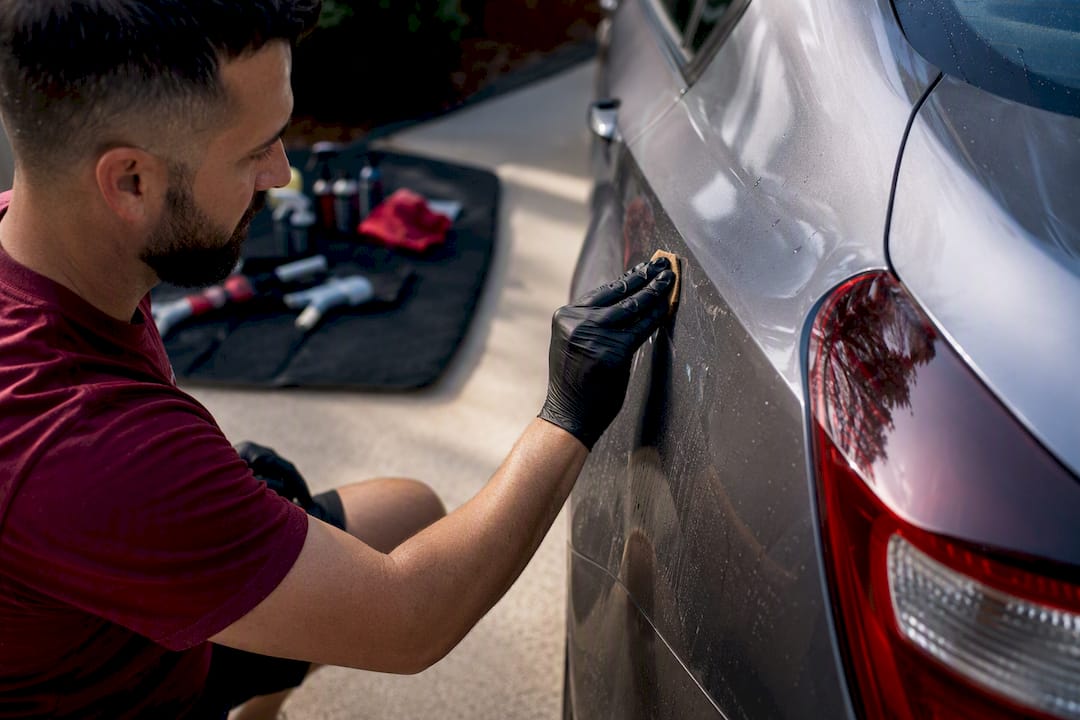
Most water spot removal costs land between $75 and $1,200, and the spread comes down almost entirely to severity. A sedan with light mineral film wipes clean for a moderate cost typical of basic spot removal. A car left in the Arizona sun for months with etched, baked-in spots often needs paint correction and possibly ceramic coating, pushing the bill toward $500 or more.
TL;DR:
Professional water spot removal costs range from $75 for basic removal to over $1,200 for full paint correction, depending on severity and vehicle size.
Severity classification impacts pricing significantly; surface spots are inexpensive to fix, while etched, baked-in spots require multi-stage polishing and longer labor hours.
External factors like coastal exposure, dark paint, and delayed treatment can escalate costs, as mineral bonds become harder to remove over time.
DIY methods are suitable for light, fresh spots but risk damaging the paint or glass if used improperly on deeper etching.
An in-person inspection with clear photos and a detailed, itemized quote from a reputable detailer ensures accurate pricing and effective treatment.
Table of Contents
How Much Does Water Spot Removal Cost by Service Tier?
Pricing breaks into three practical tiers, and knowing which one your car needs before you call around saves you from sticker shock or a lowball quote that doesn’t cover the real work.
Basic spot removal targets fresh, surface-level mineral deposits: a wash, a dedicated chemical spot remover, and a wipe-down. On a mid-size sedan this typically runs $75 to $150 and takes an hour or two.
Standard detail with light correction adds a clay bar pass and a single-stage machine polish to knock down spots that have started etching the clear coat. Expect $200 to $400 for a mid-size sedan, with SUVs and trucks running 15% to 25% higher because of added panel surface.
Full paint correction handles heavy, sun-baked etching across multiple panels using multi-stage machine polishing. This tier runs $500 to $1,200 or more depending on vehicle size and paint condition.
Service Tier | Typical Price (Mid-Size Sedan) | Time Estimate |
Basic spot removal | $75–$150 | 1–2 hours |
Standard detail + light correction | $200–$400 | Half day |
Full paint correction | $500–$1,200+ | 1–3 days |
Glass-only water spot treatment often runs as a smaller add-on, generally a modest additional cost per section, while chrome and trim restoration typically falls in a similar cost range depending on extent of work needed.
What Makes One Water Spot Quote Higher Than Another?
Two cars with identical mileage can get wildly different quotes, and it’s rarely because one shop is padding the bill. Spot severity drives most of the variance. Detailers generally classify damage in three rough categories: Type 1 spots sit on the surface and rinse or wipe away easily; Type 2 has started bonding to the clear coat and needs chemical treatment plus light polishing; Type 3 is etched into the paint and requires machine correction, sometimes across multiple stages.
Coastal exposure and dark paint colors materially increase labor time, since minerals bond harder near ocean air and defects show up more visibly on black or navy finishes than on lighter colors.
A few other variables shape your final number:
Vehicle size (compact sedans cost less than three-row SUVs or trucks)
Surface type (glass and chrome need different tools and chemicals than clear coat paint)
Regional labor rates and a shop’s reputation or demand
Whether you’re adding protection like sealant or ceramic coating afterward
One number worth remembering: waiting on water spots can multiply the eventual cost, because spots baked in by sun exposure often progress from a cheap chemical fix into a full correction job.
How Do Professionals Actually Remove Water Spots?
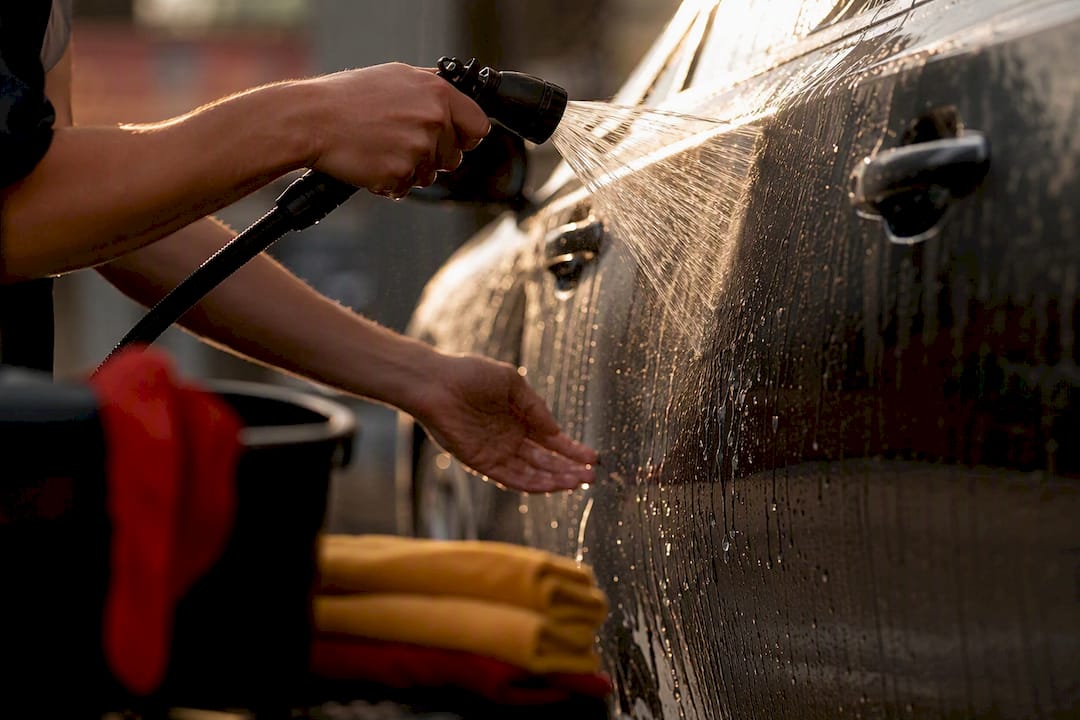
A proper job follows a sequence, and skipping steps is usually how DIY attempts go sideways. Technicians start with a wash and chemical decontamination to strip road grime and iron particles, then apply a dedicated water spot remover to break down mineral bonds. A clay bar pass lifts anything still stuck to the surface.
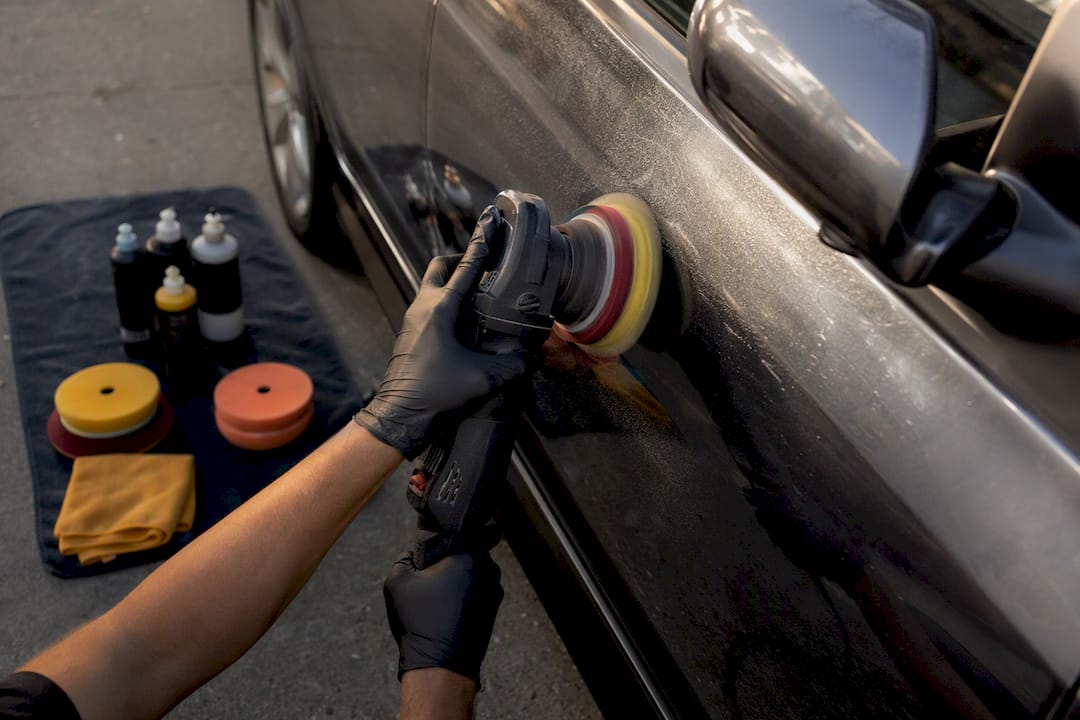
From there, light cases finish with a single-stage machine polish and a protective sealant. Heavier Type 3 etching needs multi-stage polishing, cutting deeper into the clear coat in passes before a finishing polish restores clarity. Glass and chrome get separate, specialized compounds since paint polish can haze glass or dull chrome trim.
A basic job wraps in an hour or two. Full correction can stretch into a multi-day process, especially when a ceramic coating goes on afterward and needs curing time before the car can sit outside again.
Should You Try DIY Water Spot Removal First?
For light, fresh mineral spots, DIY makes sense. Consumer spot removers and detailing sprays typically run under $25, and they handle Type 1 deposits reasonably well with a soft cloth and some elbow grease.
The risk shows up once you reach for a machine polisher. Inexperienced use of a dual-action polisher can burn through clear coat or leave uneven swirl patterns that cost more to fix than the original spots. Glass is its own hazard: aggressive polishing compounds can cause visible distortion that no amount of buffing reverses.
DIY works for Type 1 surface spots; budget under $25 in materials.
Type 2 and Type 3 spots usually need professional chemical treatment and machine correction.
A pro job typically comes with a guaranteed outcome; a botched DIY attempt doesn’t.
Pro Tip: If a spot doesn’t lift after two applications of a dedicated remover and some gentle hand polishing, stop. That’s your signal the etching has gone past the clear coat surface, and a machine polisher in untrained hands will make it worse, not better.
What Should You Ask Before Booking a Water Spot Removal Service?
A fair quote requires a look at the actual damage, not a guess over the phone. Use this checklist when you call around:
Ask for an in-person inspection or request that you send clear photos of the affected panels.
Request an itemized written quote that breaks down labor, products, and any add-ons like sealant or coating.
Get a time estimate up front, including whether the car needs to sit overnight for coating cure time.
Ask what pads and polish compounds they’ll use, and whether the process changes for glass versus paint.
Ask if the work carries a warranty or satisfaction guarantee against water spots returning shortly after.
A reputable detailer will show before-and-after photos from similar jobs and explain their process step by step. Treat a flat phone-only quote with no inspection, refusal to share past work, or heavy upselling toward services you didn’t ask for as red flags.
Bundling water spot removal with a full detail or coating package often reduces the per-panel labor rate compared to booking it as a standalone service.
What Do Our Technicians See on Real Vehicles?
We see the same pattern on almost every service call: a car that could’ve been a $150 fix six months ago shows up needing full correction because the owner waited through a summer of sprinkler overspray and monsoon dust. Dark-colored trucks and SUVs are the most common escalators we run into, since Arizona’s hard water and intense UV exposure bond minerals into the clear coat faster than owners expect.
Our advice stays consistent across every job: treat spots early, and add a ceramic coating once the paint is corrected rather than before. Coating over etched paint just locks the damage in. Our 5-star rating across more than 250 customers reflects a mobile process built around inspecting before quoting, never the reverse.
— Phenomenal
Get an Accurate Water Spot Quote From Phenomenal Auto Care
You’ve seen the price bands. What you actually need is someone to look at your specific car and tell you which tier it falls into, without guessing over the phone. Phenomenalautocare specializes in hard water removal on Arizona’s toughest cases, where mineral deposits and intense sun exposure combine to etch paint faster than almost anywhere else in the country.
Our mobile detailing model means a technician comes to your driveway or office, inspects the damage in person, and walks you through exactly which tier your car needs before any work starts. We also handle paint correction for etched panels and can add ceramic coating once the surface is properly restored, so protection goes on clean paint instead of locking spots in.
If you’re in the Phoenix area, book a mobile detailing inspection and get a written, itemized quote before we touch your car.
Sources
Price ranges above draw from EatHealthy365’s tiered pricing breakdown and NorBay Mobile’s regional examples. DIY guidance comes from AutoZone. For services, see our hard water removal page.
Recommended
Comments