
Matte vs Gloss PPF: How Installers Choose and the 10–25% Cost Premium
- 3 days ago
- 7 min read
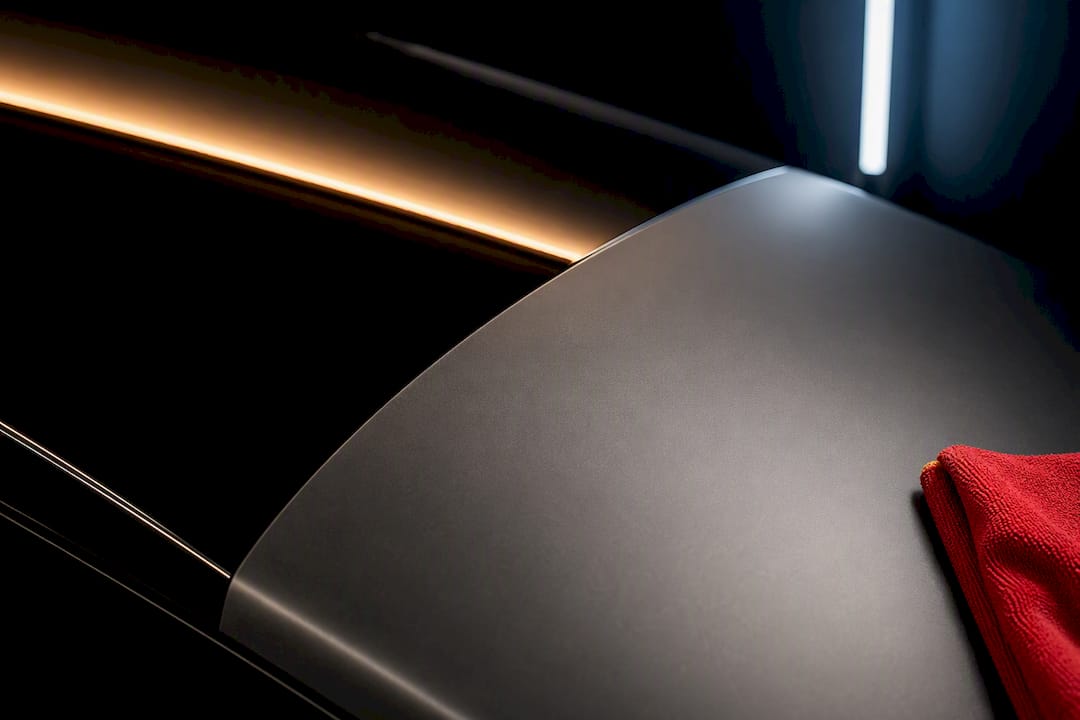
Choose gloss if you want your paint to look factory fresh with the widest possible range of safe cleaning products. Choose matte if you want a genuine satin transformation and you’re willing to follow stricter care rules to keep it that way. Protection is roughly equal either way. Phenomenal Auto Care installs both finishes and can walk you through which one actually suits your paint’s current condition.
TL;DR:
Gloss film emphasizes reflectivity and is easier to maintain with standard car shampoos and touchless washes, making it suitable for owners seeking low effort.
Matte film hides surface imperfections better and requires strict care routines, including matte-specific shampoos, coatings, and avoidance of gloss-boosting products.
Installation quality heavily influences the final look; proper paint correction before gloss wrapping and careful edge sealing are essential for longevity.
Matte wraps typically cost 10 to 25 percent more than gloss and offer full reversibility, which benefits resale value and style flexibility.
Maintaining either finish properly demands specific routines, with gloss being more forgiving of occasional lapses, while matte demands disciplined, dedicated care to prevent shine spots.
Table of Contents
Why finish choice matters: reflectivity, texture, and paint condition
Gloss film amplifies reflection, which is why it deepens paint color and makes a fresh install look almost wet. Matte does the opposite. It diffuses light across a textured surface, which flattens reflections and hides small imperfections underneath.
That difference changes what you can get away with before installation:
Gloss reveals swirl marks, holograms, and old touch-up paint because light bounces straight off them.
Matte’s diffused surface masks minor surface flaws the way a satin paint job would.
Paint that needs correction work benefits more from matte’s forgiveness, though a proper paint correction before either install still produces the best result.
For most owners, the decision comes down to look and lifestyle, not raw protection. A car that’s mostly garage-kept and shown at weekend meets can lean fully aesthetic. A daily driver parked on the street needs the practical side weighed harder.
Gloss PPF: preserves factory shine with easy upkeep
Gloss film keeps the paint’s original character intact and can even add a touch more depth than bare clear coat. It’s the finish most owners default to because it behaves like the paint it’s protecting.
Protection is not the tradeoff here. Gloss films from major manufacturers carry the same rock-chip resistance, UV stability, and self-healing topcoats found in matte versions, according to 3M’s product documentation. The self-heal layer uses heat, either from the sun or a heat gun, to smooth out light scratches and swirl marks on its own.
Maintenance is where gloss really wins:
Standard pH-neutral car shampoos work fine, no special formulation required.
Most ceramic coatings and spray sealants bond safely to gloss film.
Careful touchless or soft-cloth automatic washes are generally tolerated, though hand washing still extends the film’s life.
Pro Tip: If you’re on the fence, gloss is the lower-risk pick. It forgives an off-brand car wash or a rushed detail day in a way matte simply won’t.
Matte PPF: the satin transformation with stricter rules
Matte film turns any paint color into a flat, low-sheen finish, which is why it’s become a popular alternative to a full matte respray. It’s reversible, too. Peel it off and your factory gloss paint is still underneath, something a wrap or repaint can’t offer.
Protection-wise, matte holds up similarly to gloss against rock chips and UV fading, and manufacturers like Madico build stain resistance and self-healing topcoats into their satin lines. The one nuance: self-healing on a textured matte surface can be slightly more visible mid-repair than on smooth gloss, since the texture itself has to re-settle.
Matte demands real discipline in upkeep:
Use only matte-specific shampoos labeled safe for satin films.
Never apply wax, polish, or any gloss-boosting product. It will leave shiny patches that don’t come out.
Skip automatic wax cycles and brush-tunnel washes entirely.
Only use coatings explicitly formulated for matte surfaces, like the hydrophobic topcoats Ceramic Pro builds for its matte line.
Detailers report that owners frequently underestimate this behavioral shift, treating matte like any other paint until a stray polish rag creates a permanent shiny smudge.
Satin and mixed finishes: the middle ground
Satin film sits between the two, carrying a softer sheen than full gloss without matte’s completely flat texture. Solar Gard markets its satin option as reversible protection for owners who want a subdued look without committing to matte’s full maintenance load.
Mixed installs are common, too:
Full-front gloss covers the highest-impact zones (hood, mirrors, fenders) while satin or matte dresses up the hood or roof for style.
A full-vehicle matte or satin wrap reads as intentional and cohesive.
A partial mix without a clear design plan can look accidental, so map out panel breaks before booking the install.
Gloss vs matte maintenance: exact routines that keep each finish looking right
Getting the wash routine wrong is the fastest way to ruin either finish, and the two routines aren’t interchangeable.
Gloss weekly routine:
Rinse with a pressure washer or hose to knock off loose grit.
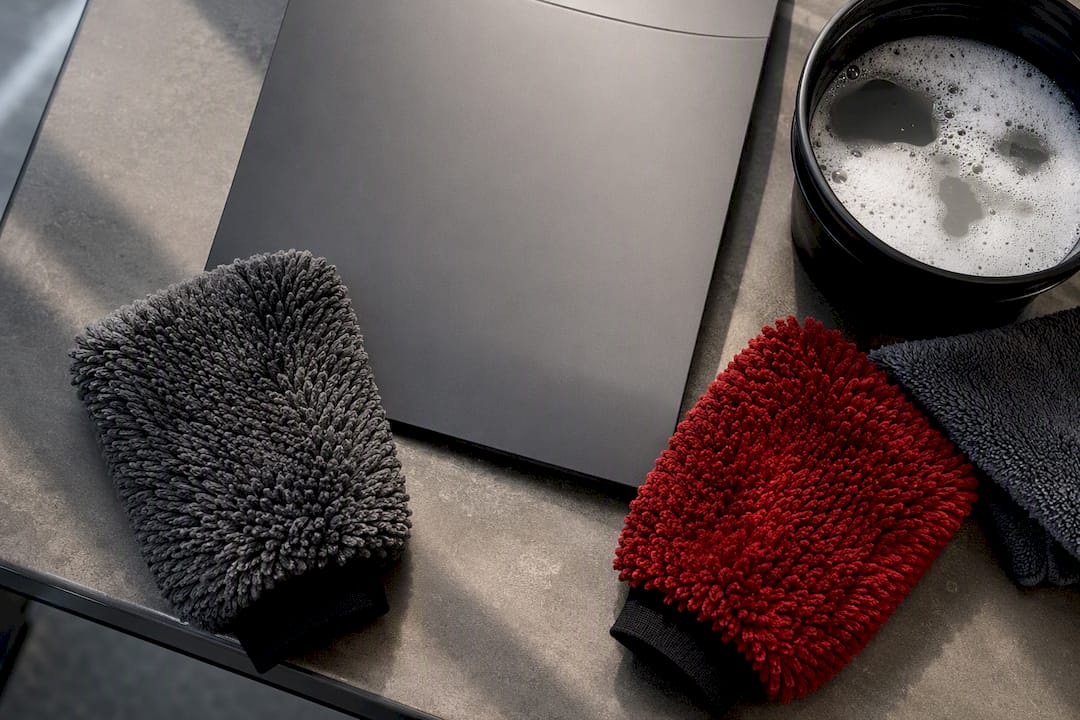
Wash with a pH-neutral shampoo and a clean microfiber mitt, two-bucket method.
Dry with a plush microfiber towel or a blower to avoid swirl marks.
Apply a ceramic spray topper every four to six weeks to maintain hydrophobic beading.
Matte weekly routine:
Rinse first, same as gloss, since grit is what scratches any film.
Wash with a matte-labeled shampoo only. Regular shampoos can contain gloss enhancers.
Dry by patting or blotting with a soft microfiber towel rather than dragging it across the texture.
Apply a matte-specific coating only if the manufacturer’s product line explicitly supports it.
To activate self-heal on either finish, park in direct sun for 20 to 30 minutes or use a heat gun on a low, moving setting from about six inches away. If a scratch doesn’t lift after that, it’s deep enough to need professional attention.
Pro Tip: Keep a dedicated wash mitt for a matte-wrapped car. Cross-contamination from gloss wax residue is one of the most common ways owners accidentally ruin a satin finish.
Cost, warranty, and resale: what the numbers look like
Matte film typically costs more than gloss, with trade sources citing a material premium of roughly 10 to 25 percent depending on brand and coverage level. A full front-end package that runs a certain price in gloss will land noticeably higher in matte for the same panels.
A few other things to weigh:
Most reputable film manufacturers back their products with multi-year warranties covering yellowing, cracking, and delamination.
Matte’s reversibility is a real resale advantage. A buyer who wants factory gloss can have it removed without repainting.
Gloss resale is simpler still, since it changes nothing about how the car presents to a future buyer.
Decision checklist: matching the finish to your car and lifestyle
Work through these questions before booking:
How much maintenance effort can you realistically commit to? Low tolerance points to gloss.
Is your paint already in excellent condition, or does it need correction first? Minor swirls hide better under matte; flawless paint shows best under gloss.
Do you want a permanent style change or a reversible one? Matte gives you satin looks without committing to a respray.
Does resale matter to you in the next few years? Either finish resells fine, but matte’s reversibility gives buyers more flexibility.
Are you covering the whole car or just impact zones? Partial installs favor gloss on high-impact panels with matte or satin reserved for style panels.
If your paint has visible swirl marks or oxidation, get a paint correction assessment before committing to either finish. Correction work done right the first time saves you from installing expensive film over paint you’ll wish you’d fixed first.
What installers see that buyers usually don’t
Most of the “matte vs gloss” debate online treats this as a pure aesthetic choice, and mostly it is. What gets skipped is how much the install itself determines the outcome. A rushed panel wrap on gloss will show every trapped speck of dust as a lump under bright light. A sloppy edge trim on matte will catch grime differently than a clean one, aging faster in ways that have nothing to do with the film itself.
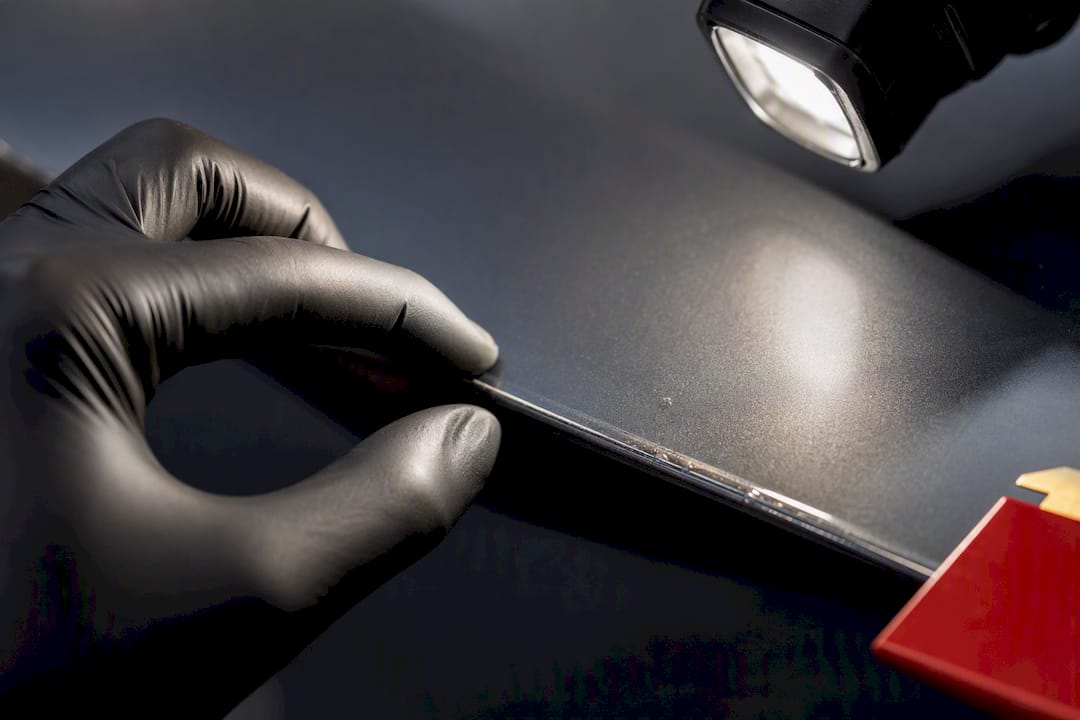
We’ve found that paint condition going into the install matters more than most owners assume. Correcting swirl marks before a gloss install is not optional if you want the mirror-like result gloss is supposed to deliver. Matte is more forgiving here, which is exactly why it’s become a popular choice for owners who want protection without paying for correction work first. But “more forgiving” isn’t “no correction needed.” Edge lifting, film seating around curves, and proper adhesion at panel gaps determine whether either finish looks clean in five years or starts peeling at eighteen months.
The maintenance handover matters just as much as the install. Owners who get a matte car wrapped without a clear rundown of what not to use on it are the ones who show up six months later with a shiny palm print baked into the hood. A five-minute conversation and a written care sheet prevents that entirely.
— Phenomenal
Ready to book your PPF evaluation?
Phenomenal Auto Care is the straightforward alternative to guessing which finish suits your car: we evaluate your paint’s actual condition, in-shop or at your location, and tell you honestly whether gloss, matte, or satin fits your maintenance habits before any film goes on. If you’re leaning toward matte but aren’t sure you’ll love living with it, ask about a small demo panel first. Testing a mirror or hood section before committing to a full-vehicle install saves you from an expensive change of heart.

Our team handles everything from paint protection film installation to the paint correction that should come before it, plus matte-safe coating options if you want extra stain resistance built in. Phoenix-area owners can also pair PPF with a ceramic coating for gloss panels needing extra depth. Ready to see what your paint actually needs? Schedule your evaluation in Phoenix and we’ll walk you through the right finish for your car, not just the popular one.
Sources
Technical claims in this article draw on manufacturer product documentation from 3M, Madico, and Solar Gard, alongside general background on film composition from Wikipedia’s paint protection film entry.
Scotchgard™ Paint Protection Film Pro Series 200 Matte, 20024M, No Cap Sheet, 24 in x 100 ft (0.61 m x 30.5 m) | 3M United States
Protekt Satin Matte PPF | Madico, Inc
Clearshield® Pro Hydro Matte Paint Protection Film | Solar Gard
Findceramiccoating
Recommended
Comments