
Arizona Installer Checklist: Ceramic Coating on PPF That Won't Haze
- 14 minutes ago
- 8 min read
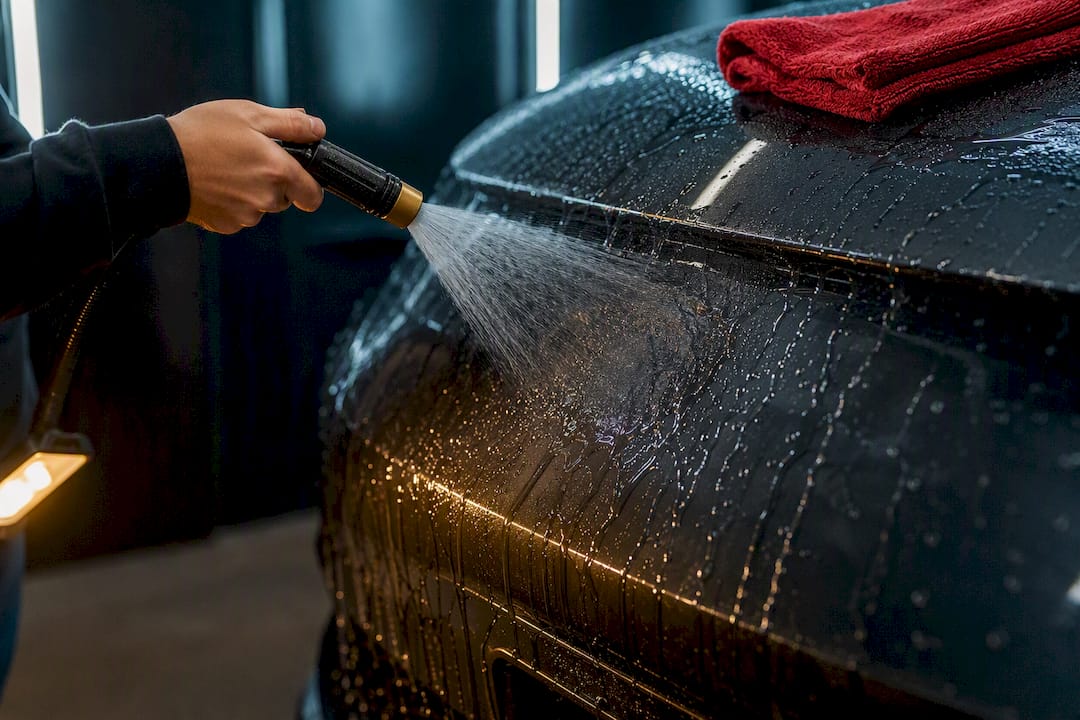
Yes, ceramic coating on PPF is not only safe, it’s one of the smartest upgrades you can make to a fresh paint protection film install. The catch is real: you need a coating rated for film use, and you need to wait through the film’s outgassing period before you touch it. Get the order and timing right, and you gain deeper gloss, easier washes, and a film that lasts noticeably longer.
TL;DR:
Applying ceramic coating too soon after PPF installation can trap outgassing vapor and cause hazing, which may void the film warranty.
Use only PPF-rated, elastomeric, or flexible- cure ceramic formulas to preserve the film’s self-healing properties and avoid topcoat cracking.
Proper preparation involves waiting for complete outgassing, thorough cleaning, gentle decontamination, IPA wiping, and controlled environmental conditions during application.
Avoid aggressive clay, low-pH or high-solvent coatings, and skipping the IPA wipe, as these can damage PPF and compromise coating adhesion.
Regular maintenance with pH-neutral soap, microfiber drying, and reapplication of a maintenance spray prolongs the film’s appearance and effectiveness.
Table of Contents
Can You Ceramic Coat PPF? Understanding How the Bond Works
You can ceramic coat PPF, and once you understand how the film cures, the “why” behind the process makes complete sense. Paint protection film needs a clean, bare paint or clear coat surface to bond correctly through pressure-sensitive adhesive. That’s why PPF has to go on first, ceramic coating second — reversing that order leaves the film trying to stick to a slick, coated surface it was never designed to grip.
There’s a second wrinkle most first-time buyers never hear about: outgassing. Freshly installed PPF releases trapped moisture and solvent vapor from its adhesive layer as it cures, a process that can run for one to two weeks depending on temperature and film brand. Seal a coating over film that’s still outgassing and you trap that vapor underneath, which shows up later as:
Cloudy patches or a faint haze under direct light
Weak coating adhesion that peels or streaks prematurely
Uneven gloss where trapped moisture pooled under the film
Think of outgassing like painting over drywall that hasn’t fully dried. It looks fine on day one. By week three, you’re staring at bubbles you can’t explain.
What Ceramic Coating Adds to a PPF Install
Layering ceramic coating over paint protection film gives you a noticeably better daily-driving experience, not just a shinier photo. The combination is widely regarded as one of the strongest protection pairings available because each layer does a job the other can’t.
Water sheets off instead of sitting, which cuts drying time and reduces water spotting on film that would otherwise trap minerals in its texture
Gloss levels out, since PPF alone has a slightly softer, more matte character than bare clear coat
Bird droppings, brake dust, and road grime resist bonding, giving you a longer window before contaminants etch into the film
Wash frequency drops, because coated film sheds dirt on contact rather than holding onto it between cleanings
Fast fact: Detailers who work with coated PPF report that customers cut their wash frequency noticeably once the film sheds water and dirt more readily, since less time spent scrubbing means less abrasion on the film’s topcoat over its lifespan.
That last point matters more than most buyers realize. Every wash is a small abrasion event. Fewer washes, gentler washes, longer-lasting film.
When and How to Coat PPF the Right Way
Timing and prep decide whether this whole process pays off or turns into a warranty headache. Here’s the sequence professional installers follow:
Let the film outgas fully. Wait until the film has fully outgassed after PPF installation before applying any coating, longer in cooler or humid climates where curing slows down.
Wash with a pH-neutral soap. Skip anything acidic or heavily surfactant-loaded that could soften film edges.
Clay only if necessary, and go gently. Film is more forgiving than clear coat but still scratchable with aggressive clay bars or dirty lubricant.
Wipe the entire panel with isopropyl alcohol. This step removes installation slip solution and surface oils that would otherwise sit between the coating and the film. Skipping it is one of the most common causes of poor bond strength.
Work in a controlled environment. A temperature range around 60 to 80°F and low humidity gives you a workable flash window and helps the coating level out without high spots or streaking.
Inspect under LED lighting before you call it done. Raking light across each panel reveals uneven application, missed spots, or leftover slip residue that daylight hides.
Pro Tip: Do the IPA wipe in sections, not the whole car at once. Alcohol evaporates fast in Arizona heat, and if it dries before you lay the coating, you’re back to square one on contamination.
How to Pick a PPF-Safe Ceramic Coating
Not every ceramic coating belongs on film, and this is where a lot of DIY jobs go wrong. “PPF-compatible” isn’t marketing fluff. It refers to a specific chemistry that flexes with the film instead of fighting it.
Look for elastomeric or flexible-cure formulas. These stay compliant during thermal cycling and film flex, which preserves the film’s self-healing properties instead of locking it into a rigid shell.
Be wary of very high SiO2 percentages with no film endorsement. Ultra-hard, high-silica coatings built for bare paint can be too rigid for film that needs to move and self-heal.
Check the pH and solvent load on the data sheet. Aggressive, low-pH, high-solvent formulas can chemically attack certain PPF topcoats over time.
Ask your installer three direct questions: Has the manufacturer confirmed this product for use over film? Does it affect the PPF warranty in any way? Can I see the actual product data sheet, not just the sales page?
A shop that can’t answer those three questions on the spot probably hasn’t coated much film.
Mistakes That Wreck a Coated PPF Job (and What They Cost You)
Most failures on ceramic-coated PPF trace back to a handful of repeat offenders, and none of them are complicated to avoid once you know what to watch for.
Coating too soon. Sealing in trapped outgassing vapor is the single biggest cause of haze under film.
Using a coating with no PPF rating. Aggressive bare-paint chemistries can attack the film’s topcoat instead of bonding to it.
Falling for a “free” spray sealant upsell. Weak spray-on products tend to fail within months and rarely carry any real warranty backing.
Skipping the IPA wipe to save time. Leftover slip solution is an invisible bond killer.
Mistake | Likely Result | Warranty Impact |
Coating before outgassing completes | Haze, cloudy patches | May void PPF warranty |
Non-PPF-rated chemistry | Topcoat degradation | Can void film and coating warranty |
Skipped IPA wipe | Poor coating adhesion, streaking | Coating warranty typically void |
Cheap spray-on upsell | Fast failure, no real protection | Little to no warranty coverage |
Your PPF warranty almost always assumes factory-approved maintenance products. Before your installer applies anything on top of the film, ask them to confirm it in writing against the warranty terms for your specific PPF brand.
Keeping Coated PPF Looking New for Years
Ceramic-coated PPF rewards you for good habits and punishes you fast for bad ones. Stick to pH-neutral car soap, a soft microfiber wash mitt, and the two-bucket method. Skip dish soap, degreasers, and anything with citrus solvents, since those strip the coating’s hydrophobic layer well before its time.
Rinse loose debris before you ever touch the panel with a mitt
Dry with a plush microfiber towel or a blower to avoid drag marks
Reapply a maintenance spray or booster every few months to extend slickness between full recoats
Pro Tip: If water stops beading and starts sheeting flat across the hood, that’s your coating telling you it’s wearing thin, not the film underneath failing. Don’t confuse the two.
Glass, trim, and exposed film edges near mirrors and door handles wear faster than flat panels, so give those spots extra attention during every wash.
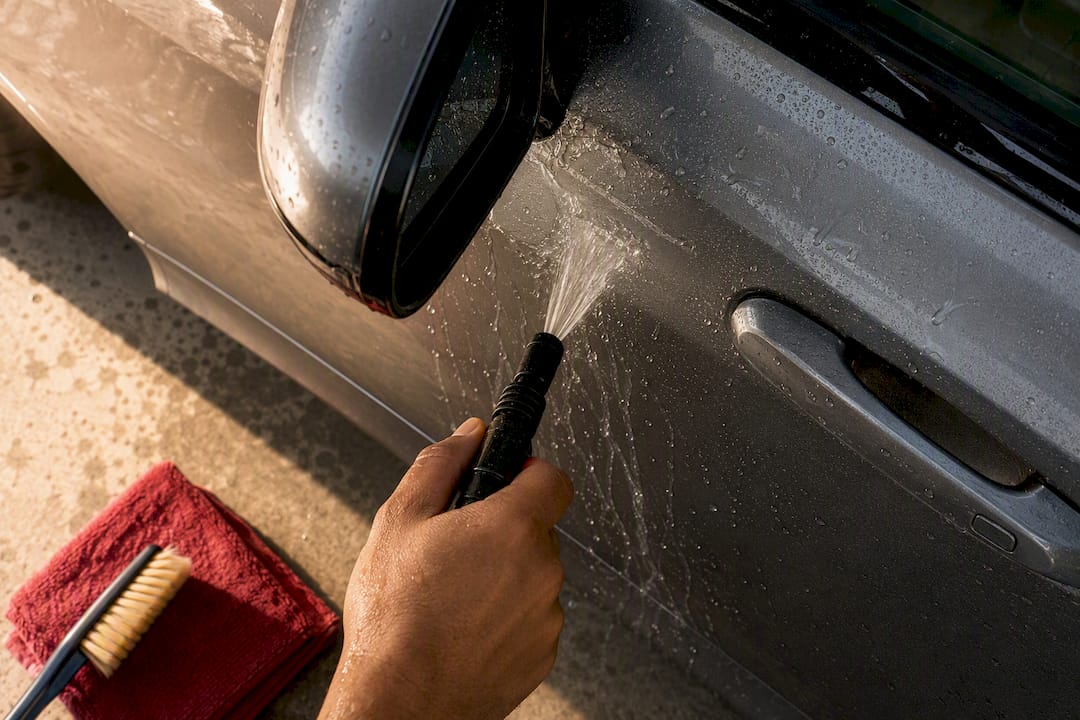
Phenomenal Auto Care’s Shop-Level Checklist Before You Book
Every legitimate PPF-plus-ceramic job follows a version of the same sequence: install the film, let it outgas fully, decontaminate, wipe with IPA, apply a film-rated ceramic coating in two coats, then hold a controlled cure window with no washing. That’s the standard we follow, and it’s worth confirming with any PPF installer you’re considering.
Phenomenal Auto Care follows that discipline as a standard for PPF and ceramic coating jobs. Before booking anyone for this work, ask them to walk you through:
The product data sheet for the exact ceramic coating they’re planning to use
Written confirmation that the coating won’t conflict with your film’s warranty
Cure time and no-wash instructions specific to your vehicle
Post-service care guidance, including which products are safe on the finished surface
If you’re booking mobile service, ask how the crew handles dust control and temperature swings. A shaded driveway or a pop-up tent, plus attention to ambient temperature, keeps the coating from flashing too fast in Arizona heat, which is exactly the kind of detail that separates a rushed job from a lasting one.
Why the “Just Coat It Now” Advice Gets This Wrong
Most of the advice circulating about coating PPF treats it like any other ceramic job, slap it on, cure it, done. That’s the part of the conventional wisdom I’d push back on hardest. Film is not paint. It flexes, it outgasses, and it has its own warranty terms that a rigid, bare-paint-grade coating can quietly violate.
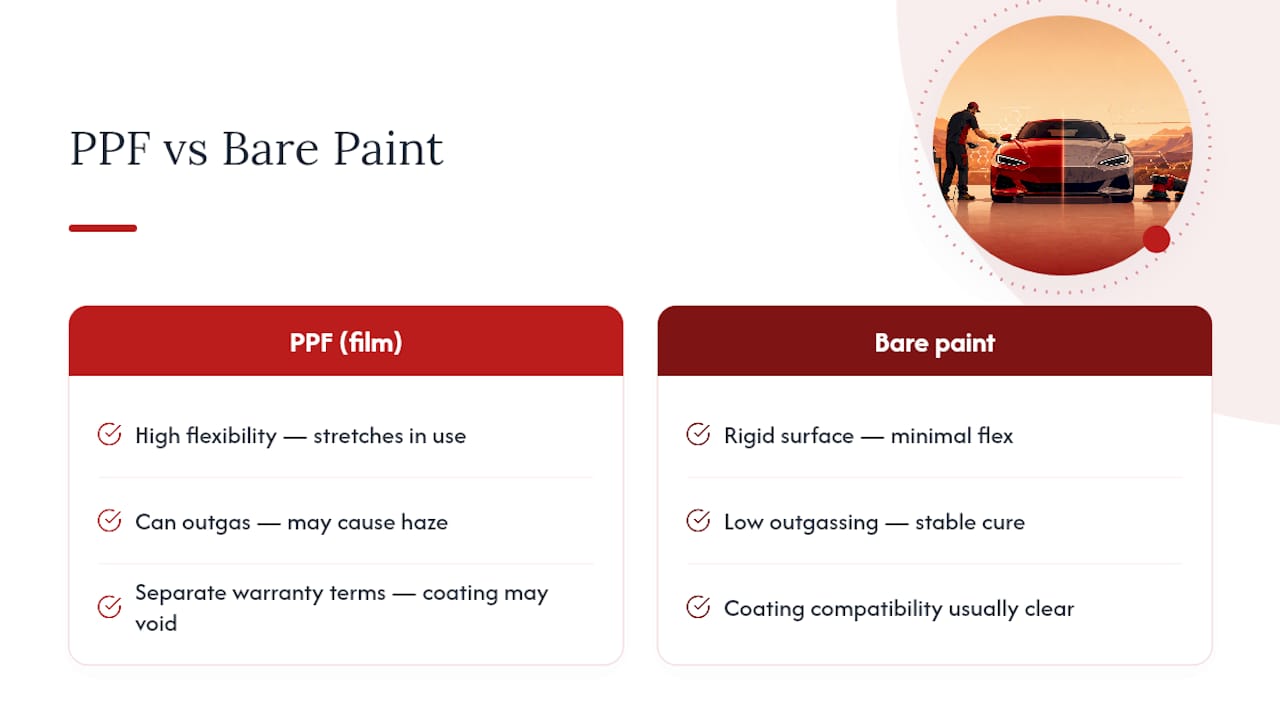
The research backs a clearer priority order than most guides admit: timing and product compatibility matter more than brand reputation or price point. A premium coating applied too early, or a rigid high-SiO2 formula slapped on flexible film, will underperform a modest PPF-rated product applied correctly. That’s counterintuitive to buyers who assume “better coating” always means “better result.”
If you take one thing from this, prioritize the data sheet over the marketing page. Ask whether the manufacturer has actually endorsed the product for film use, not whether it sounds tough enough. Everything else, gloss, hydrophobics, longevity, follows naturally once that compatibility question is answered honestly.
— Phenomenal
Book PPF and Ceramic Coating Together with Phenomenal Auto Care
Phenomenal Auto Care handles both halves of this job under one roof, which removes the biggest risk in the whole process: two different shops with two different opinions about timing and compatibility. We install your paint protection film, manage the outgassing window, and apply a film-rated ceramic coating on our schedule, not a guess.
We offer mobile service to customers at their locations in Arizona, aiming to provide a high quality PPF and ceramic coating experience. After booking, expect a full inspection, a clear outgassing and cure timeline, and specific care instructions before we hand the keys back. Ready to protect your paint the right way? Book your ceramic coating service and let’s get your PPF finished properly.
Sources
Recommended
Comments