
Stop Mold From Returning: Car Mold Removal With HEPA and Steam
- 2 days ago
- 7 min read
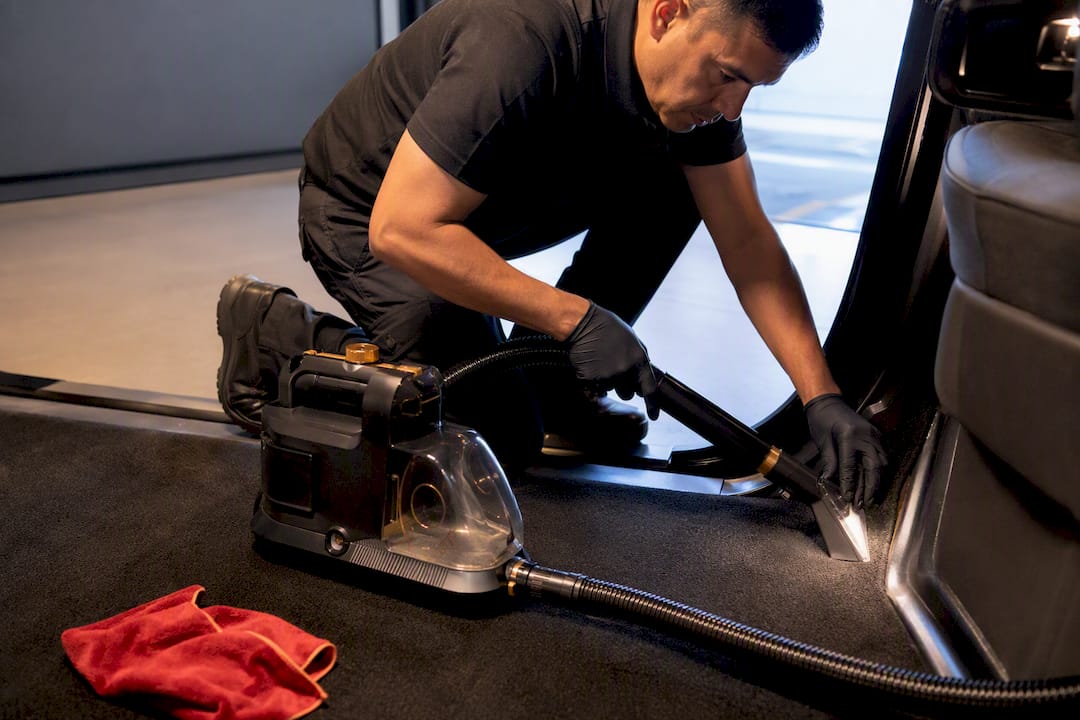
If you see mold or smell mildew inside your car, get the windows down and get out of the vehicle first. Small patches of surface mold on hard surfaces are usually safe to tackle yourself with the right gear. But mold in the HVAC system, soaked into seat foam, or spread across a wide area calls for professional remediation, not a bottle of vinegar and good intentions.
TL;DR:
Mold in the HVAC system, soaked seat foam, or widespread growth requires professional remediation, as DIY methods risk incomplete removal and quick mold return.
Proper removal includes PPE use, ventilation, HEPA vacuuming, application of a sporicidal treatment, and thorough drying to prevent mold regrowth within days.
Mold exposure can cause health issues like asthma, headaches, and fatigue, especially in vulnerable groups, making any visible growth a health risk requiring precautions.
Mold often hides in unseen spots such as seat padding, trunk wells, and ductwork, usually caused by leaks or moisture trapped during humid conditions or spills.
Professional services cost between $200 and $600, and preventions like timely filter changes, moisture removal, and drain maintenance significantly reduce recurrence risk.
Table of Contents
How Do You Remove Mold From a Car Safely?
Mold removal from a vehicle interior follows a specific order, and skipping steps is how people end up with mold that comes right back in two weeks. The sequence matters as much as the products you use.
Pro Tip: Never skip straight to scrubbing. Agitating dry mold before vacuuming it kicks thousands of spores into the air you’re about to breathe.
Gear up first. Put on an N95 respirator, nitrile gloves, and goggles before you open a single door. Basic surgical masks don’t filter mold spores well enough for agitation work.
Ventilate before you touch anything. Open all doors, roll down windows, and if possible, work in a garage with a fan pulling air outward. Pull out wet floor mats, damp gym bags, or soaked cushions immediately.
HEPA vacuum before you spray anything. A standard shop vacuum can actually blow spores back into the cabin instead of trapping them, so a HEPA-filtered vacuum has to go first, pulling loose spores off seats, carpet, and headliner.
Apply a sporicidal treatment. A 1:1 dilution of white distilled vinegar handles most surface mold on fabric and plastic effectively and won’t damage most interior materials. Let it sit for the contact time listed on whatever product you’re using; wiping it off too fast wastes the treatment.
Scrub and extract. Nonporous surfaces (dash, door panels, cup holders) just need scrubbing and a wipe. Fabric seats and carpet need wet-vac or steam extraction immediately after treatment, pulling the moisture back out rather than letting it soak deeper into the padding.
Address the HVAC system. Swap the cabin air filter and treat the vents, since air moving through a moldy filter just reseeds the cabin you spent an hour cleaning.
Dry it completely. Fans and a dehumidifier running for a full day, sometimes longer, finish the job. Incomplete drying is the single biggest reason mold comes back within days of a cleaning.
Is Mold in a Car Dangerous to Your Health?
Yes, and the effects show up faster than people expect. A car cabin is a small, sealed box, so spore concentration builds up quickly compared to a room in your house. Common symptoms include sneezing, itchy or watery eyes, worsening asthma, headaches, and unexplained fatigue during drives, often improving noticeably within an hour of stepping out of the vehicle.
Children, older adults, pregnant people, anyone immune-compromised, and people with existing asthma or allergies face a higher risk from the same exposure. Mold color is not a reliable indicator of how dangerous it is, so treat any visible growth, black, green, or white, as a health risk and handle it with full precautions. If anyone in the car develops breathing trouble during or after exposure, stop the DIY project and get professional remediation, plus a doctor’s opinion if symptoms persist.
Where Does Mold Hide in a Car Interior?
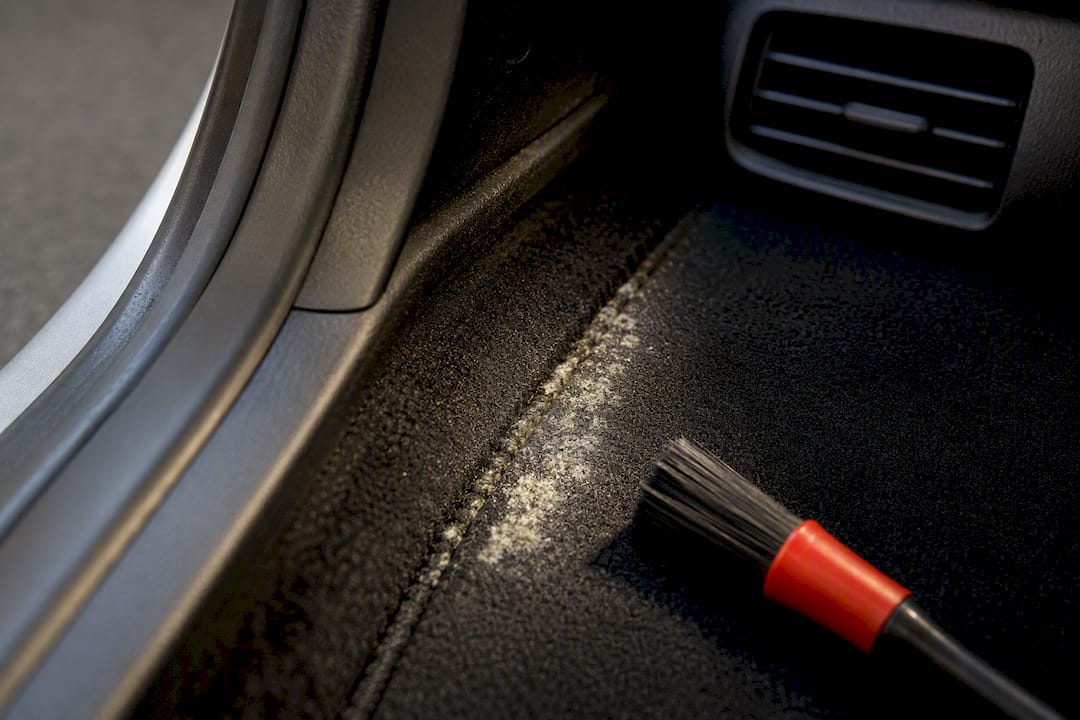
Mold needs moisture and organic material to grow, and a car interior offers both in more places than most owners realize. The usual triggers are leaking door or window seals, a clogged sunroof drain tube, a spilled drink that never fully dried, wet floor mats left in place too long, or a vehicle parked for weeks in humid conditions without airflow.
Once moisture gets in, it settles into spots you can’t see from the driver’s seat:
Seat foam and padding beneath the upholstery
Carpet backing and the padding underneath it
Trunk liners and spare tire wells
The HVAC evaporator coil and connected ductwork
Run a smell test, check for damp spots by feel, and inspect the sunroof drain tubes and door drain channels before you assume the problem is only on the surface.
How Do You Treat HVAC Mold and the Cabin Filter?
The HVAC system is the part of the car most people forget, and it’s also the most common reason mold odor keeps returning after a full interior cleaning.
Replace the cabin air filter, and consider a higher-MERV or activated-carbon filter if your vehicle supports one.
Treat the vents with an HVAC-specific cleaner designed for automotive systems, following label instructions on contact time.
Run the AC on recirculate for a few minutes with the treatment active, then switch to fresh air intake to help clear residual disinfectant through the ductwork.
Watch for a musty smell that returns within days after filter replacement. That’s usually a sign mold has reached the evaporator coil itself.
Pro Tip: If the smell hits you the moment the AC kicks on but fades after a minute, that’s a strong sign the evaporator coil, not just the filter, is contaminated. Deep coil and duct contamination sits behind panels most owners can’t reach without disassembly, which is exactly the kind of job that belongs with a professional shop that has steam extraction equipment built for it.
When Should You Hire a Professional for Car Mold Removal?
Call in a professional when any of these apply:
Mold covers a large area rather than one isolated spot
You can smell mold through the vents, meaning it’s likely in the HVAC system
Growth has soaked into seat foam, door panel insulation, or carpet padding
Anyone riding in the car has developed noticeable respiratory symptoms
Professional automotive mold remediation typically runs somewhere in the $200 to $600 range, with surface-level detailing on the low end and full remediation, including HVAC service and material replacement, pushing toward the higher end. Vehicle size and regional labor rates shift that range in either direction.
Before booking, ask what equipment they use (HEPA vacuums and steam extraction are the baseline, not an upgrade), whether cabin filter replacement and odor treatment are included, what their drying protocol looks like, and whether the work carries any kind of guarantee against recurrence.
How Can You Prevent Mold From Coming Back?
Prevention is cheaper and faster than remediation, and most of it comes down to moisture control rather than fancy products.
Pull wet gym bags, umbrellas, and damp towels out of the car the same day, not the same week.
Run the AC for a couple of minutes before parking to help dry out the evaporator coil.
Clear sunroof and door drain channels a few times a year so water has somewhere to go.
Toss a few silica gel or DampRid-style moisture absorbers in the cabin during long storage periods or humid seasons.
Replace the cabin air filter on the schedule in your owner’s manual, or sooner if you live somewhere humid.
A quick weekly vacuum and a monthly glance at your seals and drains catch small moisture control problems before they turn into a mold outbreak that costs real money to fix.
What We’ve Learned Treating Mold in Cars Across Arizona
Mold in a car rarely announces itself with a dramatic puddle. It usually starts as one wet floor mat left in a garage for a week, or a sunroof drain nobody’s checked in three years. By the time an owner smells it, the problem is often already in the padding, not just the surface.
Surface mold responds to careful DIY work. Anything past that, foam, ductwork, wide coverage, needs equipment most owners don’t have sitting in the garage: real steam extraction, HEPA filtration, and drying gear that actually pulls moisture out instead of pushing it around. We’ve walked into cars where a well-meaning DIY attempt made things worse because the drying step got skipped and the mold came roaring back within a week.
— Phenomenal
Mobile Mold Remediation From Phenomenal Auto Care
Phenomenal Auto Care gets your car smelling and feeling normal again without you driving anywhere, since the whole job happens at your home or office. That’s the real advantage here over trying to squeeze a shop visit into a workday: our technicians bring steam extraction, HEPA vacuuming, and industrial drying equipment straight to your driveway.

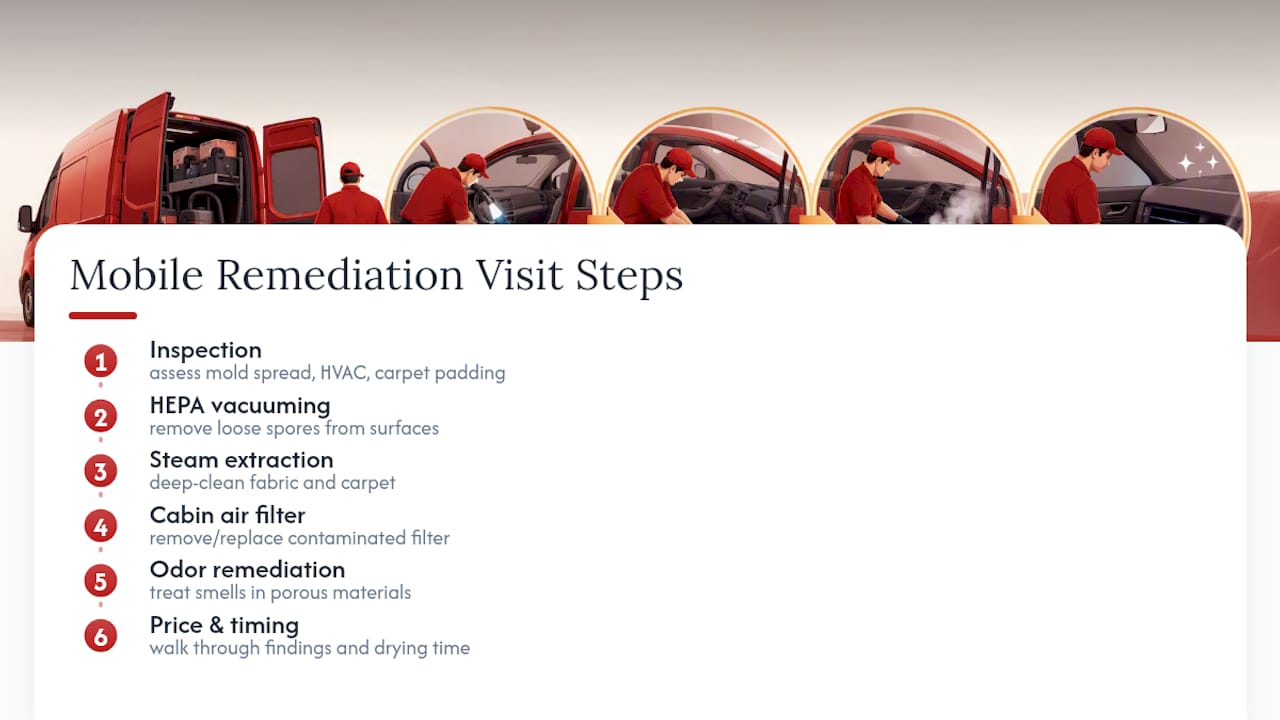
A typical visit starts with an inspection to gauge how far the mold has spread, whether it’s reached the HVAC system, and what the padding underneath the carpet looks like. From there, the process runs through HEPA vacuuming, steam extraction on fabric and carpet, cabin air filter replacement, and odor remediation for smells that have worked their way into porous materials. Pricing depends on the extent of the contamination and how much drying time the job needs, which is why we walk you through what we find before starting any work.
If you’re in the Phoenix area, book a mobile detailing appointment in Mesa or check our Phoenix service page to get a quote and a time that works around your schedule.
This article is general information, not a substitute for advice from a qualified doctor. Consult a qualified healthcare professional about your own circumstances before acting on anything here.
Sources
Recommended
Comments