
Cut Wheel Cleaning Time With Heat Resistant Ceramic Coating, Pro Prep
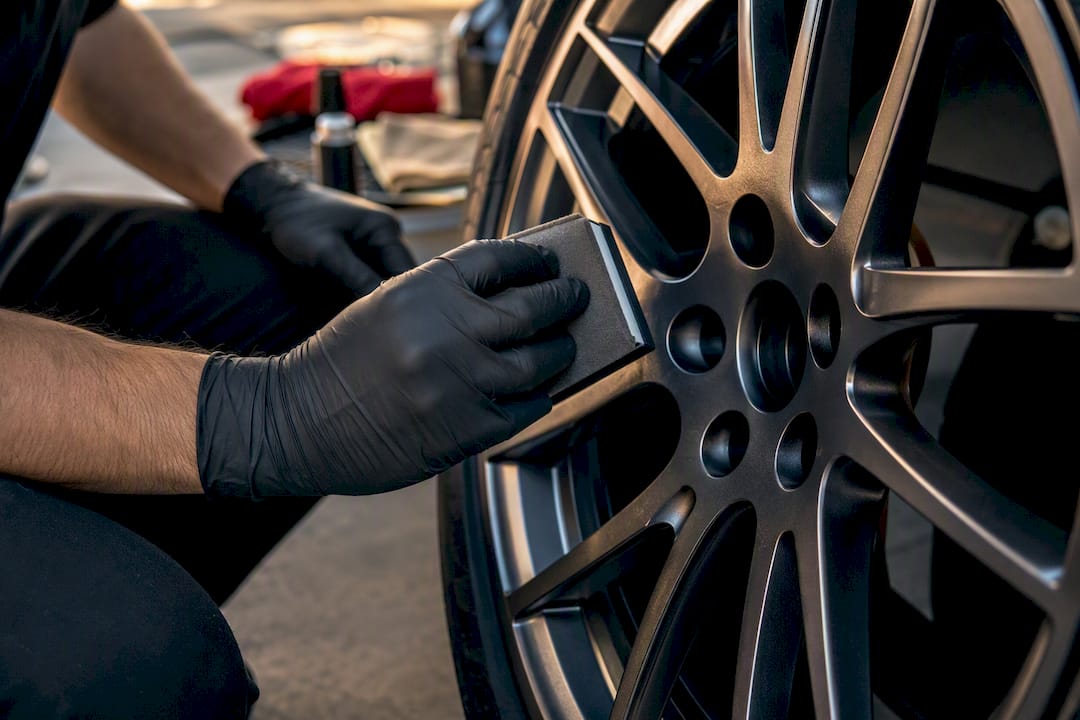
Yes, ceramic coating wheels typically repels brake dust, shortens cleaning time, and protects the finish underneath. Whether it’s worth doing on your car depends on your wheel finish, how often you drive, and how much brake dust your setup throws. You’ve got two paths: a careful DIY kit application, or a professional job like the ones we run at Phenomenalautocare, where prep and curing happen under controlled conditions.
TL;DR:
Ceramic wheel coatings are most effective on clean, undamaged surfaces, and they resist high temperatures up to 400 degrees Fahrenheit, specific to wheel heat.
Proper surface prep requires thorough washing, decontamination, and defect correction, as skipping these steps significantly reduces coating lifespan.
Expect coating durability of six months to two years, heavily influenced by driving habits, maintenance routine, and exposure to brake dust and road salt.
DIY kits cost between $30 and $80 and require multiple steps, while professional applications offer better decontamination, correction, and longer-lasting results.
Coatings mainly reduce cleaning time and protect against corrosion but do not fix existing damage or replace proper wheel maintenance.
Table of Contents
What Does Ceramic Coating Actually Do for Wheels?
A ceramic coating bonds a thin layer of silicon dioxide to the wheel’s clear coat or bare metal, filling in microscopic pores that brake dust and road grime normally cling to. That’s the whole trick. Less surface for contaminants to grab onto means a wash that used to take twenty minutes with a stiff brush now takes five with a microfiber towel and some wheel-safe soap.
Heat resistance is the part most people underestimate. Wheels sit inches from rotors that regularly exceed 400 degrees Fahrenheit under hard braking, and a coating that can’t handle that heat will break down fast, right where you need it most. Products built specifically for wheels, rather than repurposed paint coatings, address this directly. FEYNLAB’s wheel and caliper coating is formulated to resist high brake temperatures and heavy brake-dust exposure, and it’s rated for a long duration of protection under normal use.
Coatings work well on:
Clear-coated alloy wheels
Powder-coated finishes
Matte wheels (many formulas won’t add unwanted gloss)
Chrome and polished aluminum, though SONAX recommends testing a small spot first since non-porous finishes bond differently
Where coatings won’t help: peeling clearcoat, severe pitting, or corrosion that’s already eating into the metal. Coating over damage just seals in the problem.
Pro Tip: If your wheels have any curb rash or clearcoat lift, get that fixed first. A coating bonds to the surface you give it, not the surface you wish you had.
Are Your Wheels a Good Candidate for Coating?
Some wheels are practically begging for a coating. Others need work first. Run through this before you commit:
Check for peeling or bubbling clearcoat. If you see it, coating now just traps moisture underneath and speeds up the damage.
Look for deep curb rash or gouges. Cosmetic coating won’t fix structural chips, and coating over rough edges leaves a patchy, uneven result.
Inspect for active corrosion or pitting, especially around lug areas and the barrel. That needs mechanical correction, not chemistry.
Assess your driving pattern. Frequent driving, performance braking, or exposure to road salt and dust all make coating pay off faster.
Consider the wheel’s value to you. Show wheels, forged aluminum sets, and anything you’d hate to see corroded are the strongest candidates.
If your wheels pass steps one through three clean, you’re ready to move to prep and application.
How to Prep and Apply Ceramic Coating on Wheels
Most coating failures trace back to skipped prep, not bad product. Here’s the order that actually works.
Wash with a wheel-safe alkaline cleaner to strip built-up grime and old sealants. Skip anything acidic that could etch the finish.
Apply an iron fallout remover. You’ll see it turn purple as it dissolves embedded brake-dust particles the wash alone can’t touch. Recochem’s cleaning chemistry guidance is a useful reference for matching the right product to your wheel finish.
Clay bar the surface to pull out anything still bonded after the iron remover, leaving the wheel glass smooth to the touch.
Address surface defects with polish or compound if needed. Professional detailers prioritize this step because mechanical polishing removes the contaminant-embedded layer that would otherwise block true chemical bonding.
Wipe down with isopropyl alcohol or the manufacturer’s dedicated surface prep to strip any remaining oils and open the surface for bonding.
Apply the coating in thin, even panels, following the product’s dwell time exactly. GYEON’s Q2 Rim uses a thick SiO2 chemistry and recommends layering for extra durability, but layering too soon between coats causes streaking.
Keep the coating off braking surfaces and rotor faces, work in a shaded, low-humidity space if you can, and wear gloves since most of these solvents aren’t meant for skin contact.
Pro Tip: Coat one wheel at a time and inspect it under direct light before moving to the next. Streaks show up under sunlight that you’ll never catch under shop lighting.
How Long Does Wheel Ceramic Coating Last?
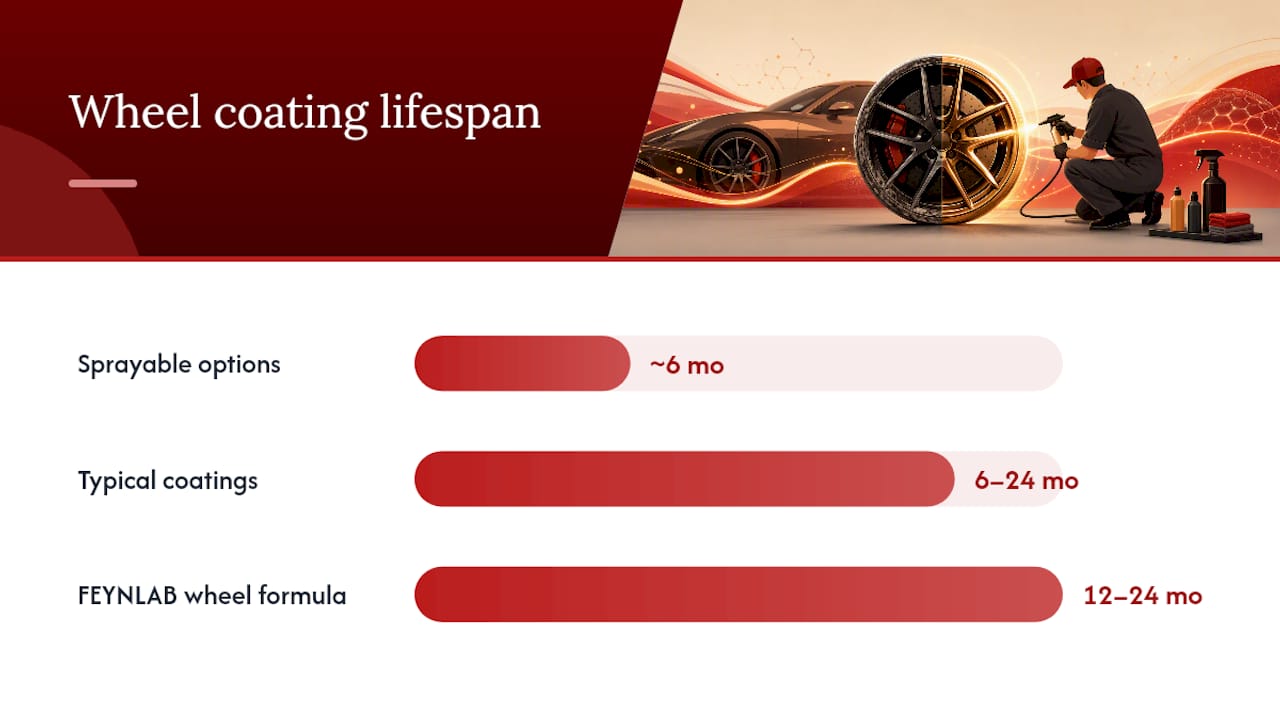
Expect somewhere between six months and two years, depending on the product and how hard you drive. FEYNLAB advertises one to two years of protection for its dedicated wheel formula, while lighter sprayable options land closer to the low end.
Your maintenance routine determines which end of that range you land on.
Wash weekly to biweekly with a pH-neutral, wheel-safe soap. Harsh degreasers strip the coating faster than road grime ever will.
Use an iron fallout remover every few washes, not every single one. Overuse can dull the coating’s slickness over time.
Watch for water that stops beading and starts sheeting flat. That’s your first sign the coating is thinning, not failing outright.
Persistent staining that a normal wash won’t lift, despite beading still looking decent, usually means it’s time for a refresh coat rather than a full strip and reapply.
Sprayable ceramic detailers, like Chemical Guys’ HydroSpin, work well as a top-up between full applications but shouldn’t be your only line of defense if you’re dealing with heavy brake dust or serious heat cycling.
Ceramic Coating Cost: DIY Kit or Professional Job?
A DIY wheel-coating kit typically runs $30 to $80 and covers a full set of four wheels. Professional application costs more, usually because you’re paying for correction work, controlled curing conditions, and a technician who’s done this hundreds of times, not just the bottle of product.
Here’s what tends to separate the two outcomes:
DIY pitfalls: uneven panel application, coating applied over contamination the eye missed, high spots that flash and streak, and shortened lifespan from skipped decontamination steps.
What a pro adds: full decontamination, correction when the surface calls for it, a shaded and climate-stable work area, and a coating applied by someone trained to catch defects before they’re sealed in.
Warranty terms matter. Some manufacturers attach conditions to their protection claims, so check the fine print on any guarantee before assuming your coating is covered if it fails early.
If you’ve got the time, a clean garage space, and patience for a multi-step process, a DIY kit is a reasonable weekend project. If your wheels are expensive, heavily driven, or you just want it done right the first time, a professional appointment removes the guesswork. Our ceramic coating service covers that full process from decontamination through cure.
Why Trust This Wheel Coating Guidance?
Phenomenalautocare has built its reputation one vehicle at a time, earning a 5-star rating from over 250 customers across Arizona along with several community awards for service quality. That track record comes from treating every wheel coating job the same way: no shortcuts on prep, no guessing on cure times.
A typical wheel-coating appointment with us includes:
Full decontamination wash and iron fallout treatment
Paint correction when curb rash or clearcoat defects call for it, detailed further in our piece on why polishing before a ceramic coating matters
Precision application in a controlled environment, away from dust and direct sun
Cure monitoring so the coating bonds fully before the car goes back on the road
Precision on wheels means the same thing it means on paint: the coating is only as good as the surface underneath it. We don’t skip steps because a wheel is harder to see than a hood.
Readers interested in the broader case for ceramic protection can also check our piece on ceramic paint protection in Phoenix for how coatings perform across the rest of the vehicle.
What Wheel Coating Actually Delivers, and What It Doesn’t
Most of what gets written about wheel coatings focuses on the shine. That’s the least interesting part of the story. The real value is in how much time you get back on every wash, and how much longer your wheels stay free of pitting and corrosion in a climate that throws heat, road salt, or brake dust at them daily.
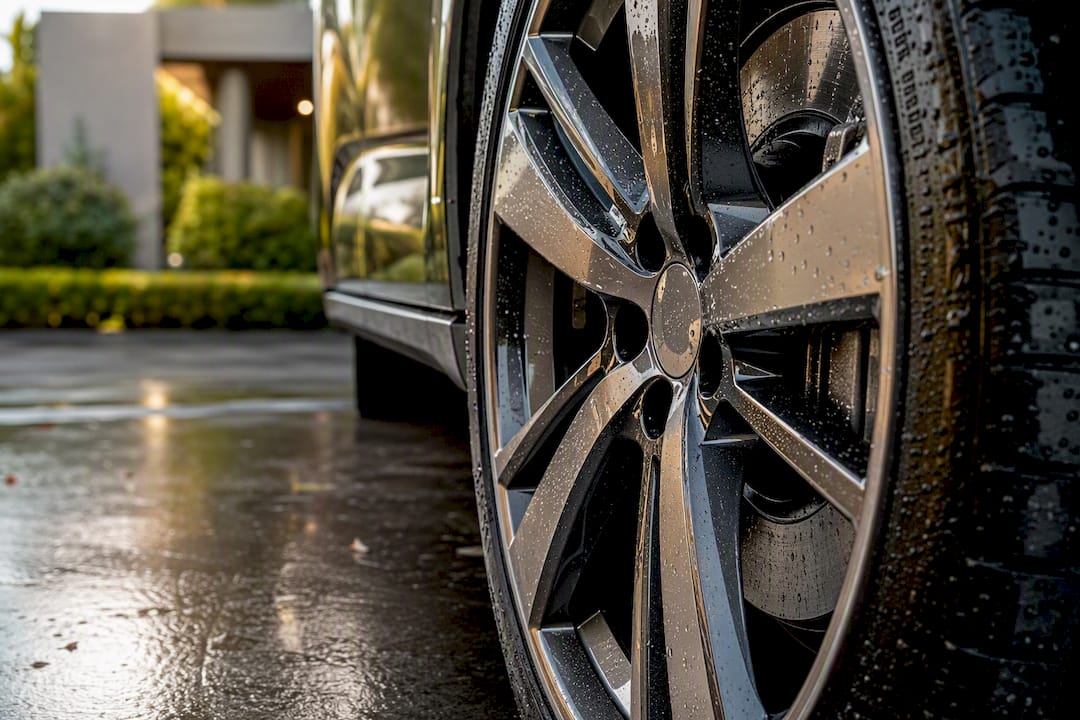
Where conventional advice falls short is treating coating like a paint job: something you apply once and forget. It’s closer to a maintenance system. The coating buys you time and easier upkeep, but it doesn’t replace washing, and it definitely doesn’t fix a wheel that needed correction before you ever opened the bottle.
If you take one thing from this guide, prioritize prep over product. A budget coating applied to a properly decontaminated, corrected wheel will outperform a premium coating slapped over embedded brake dust. That’s not a knock on any specific product, it’s just how the chemistry works. Get the surface right, match the coating to your wheel finish and driving habits, and the rest tends to take care of itself.
— Phenomenal
Book a Professional Wheel Ceramic Coating
If you’ve read this far and decided the DIY route isn’t worth your Saturday, Phenomenalautocare handles the entire process for you, mobile, at your home or office, with the same shop-grade prep we’d use in a controlled bay. Your appointment includes full decontamination, paint correction if your wheels need it, precise coating application, and clear aftercare guidance so you know exactly how to maintain it.
We’ve earned a 5-star rating from over 250 Arizona customers by treating every wheel like it’s going in a show, not just back on the road. No rushed application, no skipped cure time, no guessing whether the prep was thorough enough. Ready to see what your wheels look like coated the right way? Visit our ceramic coating service page to check availability and get a quote for your vehicle.
Recommended
Comments