
Don't Seal in Transport Swirls: When to Ceramic Coat a New Car
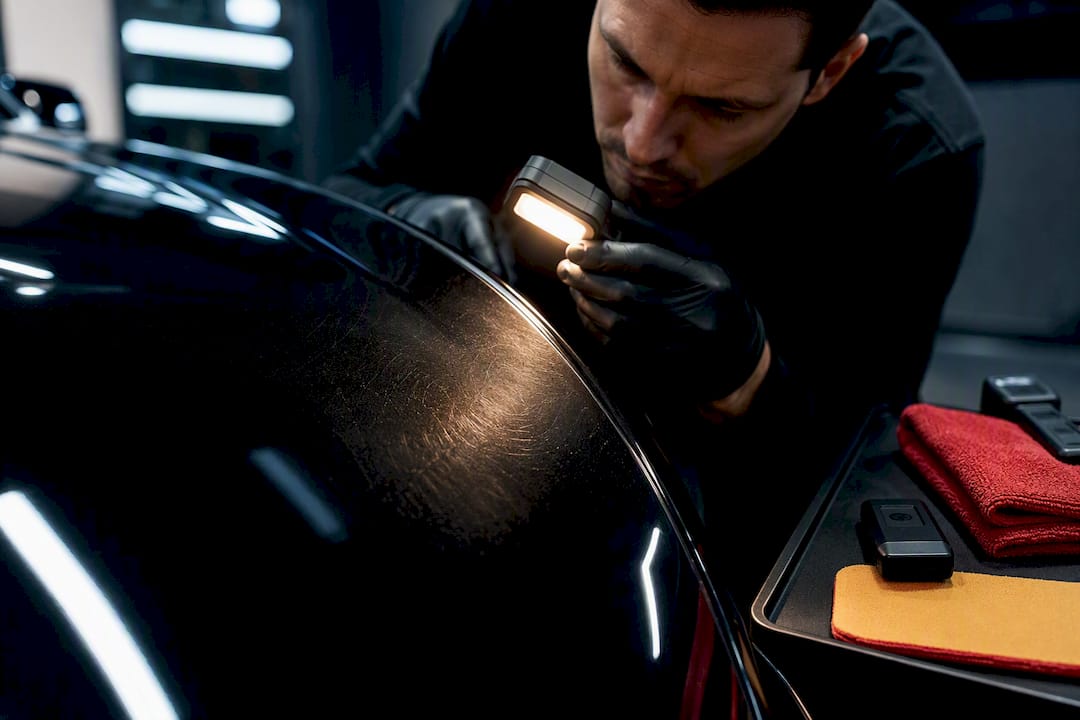
Yes, coating a new car is worth it for most owners who want long-term protection and easier washing, but the paint needs an honest inspection first. Factory clear coat arrives cured, so the delay isn’t chemistry. It’s checking for transport scuffs and dealer wash damage before anything gets sealed underneath. Professional installers who correct paint before coating are the ones who deliver results that hold up for years.
TL;DR:
Most new cars do not require waiting for paint to cure since factory baked clear coats are already fully cured upon delivery.
Pre-coating inspection should focus on removing transport damage, dealer wash marks, and industrial fallout, not waiting for the paint to mature.
Professional-grade coatings offer multi-year protection, but thorough surface correction and proper preparation are critical for longevity and performance.
Coating costs are primarily driven by paint correction, not the coating product itself, with full correction often taking a full day or more.
Maintenance involves regular gentle washing and annual inspections to prevent premature wear and preserve the coating’s hydrophobic properties.
Table of Contents
What Are the Benefits of Ceramic Coating for New Cars?
A ceramic coating bonds to the clear coat and creates a hard, glass-like layer that changes how the paint behaves day to day. Water no longer sheets across the hood; it beads up and rolls off, carrying dust and road grime with it. That hydrophobic effect is measurable. High-end professional chemistries push water contact angles well past what wax or a basic sealant can produce, which is part of why advanced coatings using Ion Exchange technology can clear 9H pencil hardness and resist a wide pH range of chemical exposure.
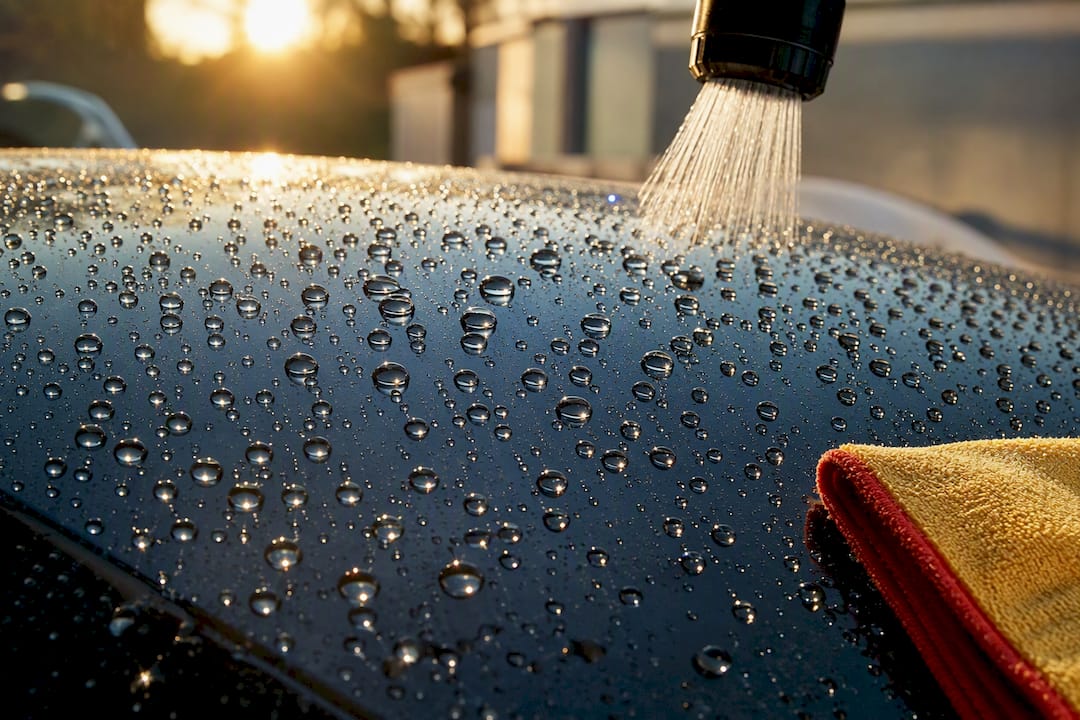
Pro Tip: Run your hand over a freshly coated panel after a light rinse. If it squeaks slightly under a damp microfiber, that’s the coating doing its job. Bare or waxed paint won’t feel that way.
The practical wins add up fast:
Washing takes less time because contamination doesn’t grip the surface the way it does on bare clear coat.
UV exposure causes less oxidation and fading over years of Arizona sun.
Bird droppings, tree sap, and road tar wipe off before they etch into the paint.
Gloss looks deeper and more uniform than a wax job, and it stays that way for months instead of weeks.
None of that makes the coating scratch-proof. A ceramic layer resists chemical etching and minor swirling far better than raw paint, but it won’t stop a rock chip or a keying scratch. For high-impact zones like the front bumper and rocker panels, paint protection film still does a job ceramic coating cannot.
When Should You Ceramic Coat a New Car?
The idea that fresh paint needs weeks to “cure” before coating is mostly a myth. Clear coats are baked in factory ovens during manufacturing, so the paint is already cured by the time the car reaches the lot. Detailers don’t wait on chemistry. They wait on inspection.
Here’s what actually needs checking before a new car gets coated:
Transport swirls from car carrier straps or improper cleaning en route to the dealership.
Dealer wash damage from automated brushes or poor-quality microfiber use during prep.
Embedded rail dust and industrial fallout that settles on vehicles during shipping.
Lot-applied sealants or waxes that need stripping before a coating will bond properly.
If a detailer skips this step and coats over existing defects, those flaws get locked in place, sometimes for years. The first 24 hours after delivery matter too. Paint is more sensitive to fingerprints and light abrasion right after unwrapping, so a careful first wash before any correction work sets the tone for everything that follows.
Which Type of Ceramic Coating Should You Choose?
Not all coatings are built the same, and the differences matter more than most owners realize before they start comparing quotes.
Spray sealants are the entry point. They’re wipe-on, wipe-off, and typically last a few months. Fine for a rental or a car you’re planning to sell soon, but not a real long-term investment.
DIY consumer kits step up in durability and cost more, usually lasting six months to a year with careful application. They make sense if you’re comfortable with imperfect leveling and don’t mind redoing the work annually.
Professional single-phase coatings are concentrated formulas applied by a trained installer, offering multi-year protection when paired with proper prep.
Advanced chemistries like Ion Exchange and biphasal formulations sit at the top of the category. FEYNLAB Ultra V3 uses a biphasal structure that builds two functional layers from a single application, and some biphasal products carry a five-year installer-backed warranty when applied correctly.
The trade-offs come down to sensitivity and environment. Professional-grade coatings demand a controlled, dust-free space and often an IR lamp to cure properly, which is why they’re not a driveway weekend project. A DIY kit is reasonable if you want short-term shine on a budget and can accept some streaking. Anything meant to last years belongs in the hands of a certified ceramic coating installer who controls the environment the coating needs to bond correctly.
How Do Detailers Prepare a New Car Before Coating?
Preparation is where most of the labor, and most of the value, actually happens. Reviewers who test ceramic coatings side by side consistently point to prep as the real differentiator between a coating that performs and one that just looks good on day one.
A proper new-car workflow runs through these stages:
Wash the vehicle with a pH-neutral shampoo to remove loose dirt without stripping any remaining factory protectants.
Decontaminate using a clay bar or iron remover to pull embedded rail dust and brake fallout out of the clear coat.
Correct the paint with wet sanding or machine polishing wherever swirls, scratches, or holograms show up under raking light.
Wipe down panels with a dedicated panel prep solvent to strip oils and polishing residue before the coating touches the surface.
Test a section, photograph the result, and confirm the finish before committing the whole vehicle to the coating.
Apply and cure the coating according to the product’s specific timeline.
Pro Tip: Ask any shop for before-and-after photos of the correction stage, not just the finished car. If a detailer can’t show you what the paint looked like under inspection lighting, you can’t verify how much correction actually happened.
Skipping correction doesn’t just risk a lesser finish. It permanently seals defects under a layer that’s extremely difficult to remove without machine polishing through the coating itself. A legitimate estimate should spell out the scope of correction, the number of coating layers, and whether the installer registers a warranty tied to the work.
What Does Ceramic Coating Cost for a New Car?
Professional installs on new vehicles commonly cost a couple thousand dollars, and prep is the reason. Autotrader’s cost breakdown notes that labor-intensive correction work, not the coating product itself, drives most of that price tag.
Several variables push the number up or down:
How much correction the paint needs before coating can even start.
Which chemistry the shop uses, since advanced multi-layer products cost more than basic single-phase formulas.
Whether wheels, glass, and trim get coated alongside the paint.
Whether the installer registers a formal warranty, which sometimes ties coverage to the vehicle’s service history.
A proper job isn’t a same-day errand. Correction alone can take a full day on a car with noticeable transport damage, and the coating needs uninterrupted curing time afterward. Budget for the car to be out of rotation for at least a day, sometimes two, depending on how much correction the paint requires.
How Long Does Ceramic Coating Last and What Maintenance Does It Need?
Lifespan depends entirely on which tier of coating went on the car. Spray coatings hold up for a few months. Mid-tier professional coatings run one to three years with reasonable care, and top-tier professional chemistries can stretch past five years when the prep was done right and maintenance keeps pace.
Keeping a coating performing at its best comes down to a short list of habits:
Wash with pH-neutral shampoo using the two-bucket method to avoid dragging grit across the surface.
Skip automatic tunnel washes with abrasive brushes, since they wear down the coating’s hydrophobic layer over time.
Book an annual inspection to catch thinning spots before they turn into bare paint exposure.
Apply a booster spray or overcoat periodically to refresh slickness between full recoats.
Pro Tip: If water stops beading and starts sheeting flat across the hood, that’s your early warning sign. It usually means the coating’s outer layer has worn thin, not that it’s failed completely.
Premature failure almost always traces back to harsh detergents, neglected washing, or paint that wasn’t properly corrected before the coating went on. Annual inspections matter for another reason too: many installer warranties, including FEYNLAB’s certified installer coverage, require documented maintenance to stay valid.
Why Trust This Advice on Ceramic Coating for New Cars
Phenomenal Auto Care built its reputation on mobile detailing across Arizona, earning a 5-star rating from over 250 customers and several community awards along the way. That track record comes from doing the unglamorous part right: inspecting paint before promising results.
Every recommendation in this guide reflects what actually happens on a driveway or in a shop bay, not marketing copy. Certifications, before-and-after case documentation, and verified customer feedback all back the approach: correct first, coat second, maintain always.
Should You Coat Your New Car Now or Wait?
If you plan to keep the car for years and want easier washes with less swirling over time, get it coated once the paint has been properly inspected. If you’re still deciding on a longer-term plan, a spray sealant buys you a few months without locking anything in.
Three steps make this simple: document your current paint condition with photos, get a correction and coating quote from a real inspection (not a phone estimate), and schedule the work once you understand the scope. Keep every receipt. It protects your warranty and your maintenance schedule down the road.
The Prep Step Nobody Talks Enough About
Most advice on this topic treats ceramic coating like a single decision: coat or don’t coat. That framing misses what actually separates a good result from a disappointing one. The real decision is whether the shop you hire treats correction as a genuine diagnostic step or as a box to check before the coating goes on.
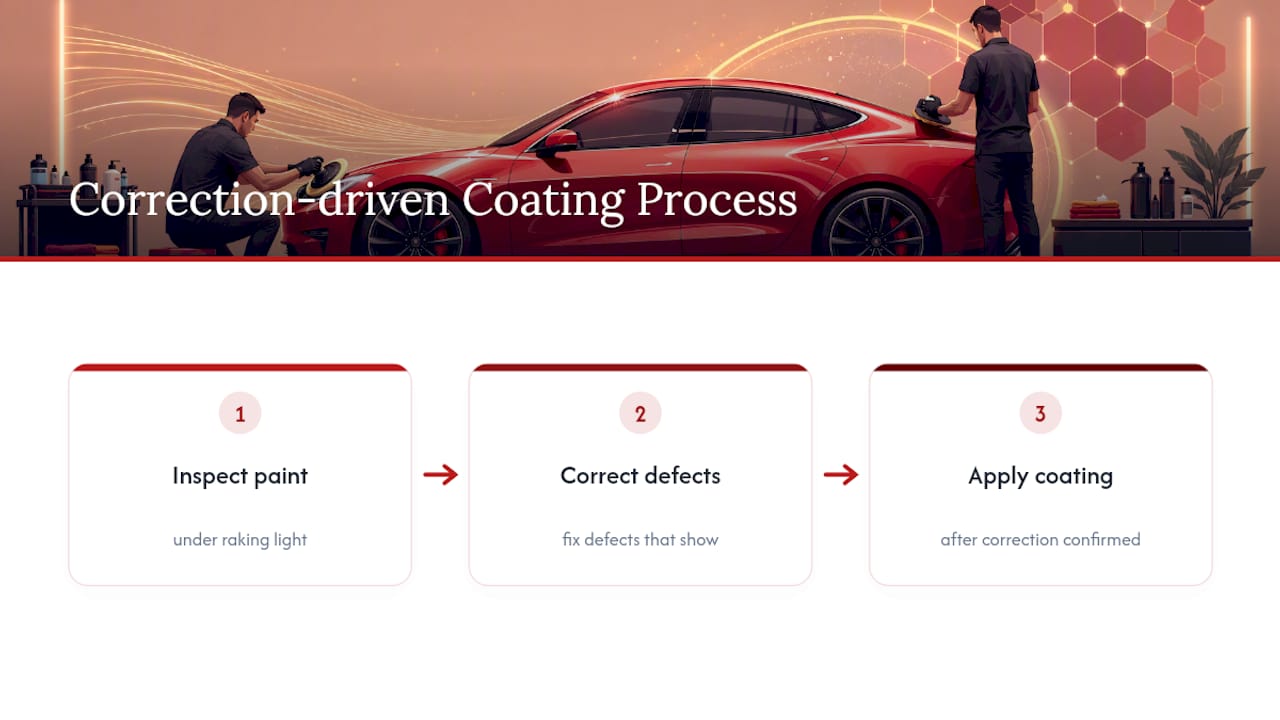
Conventional wisdom obsesses over hardness ratings and water contact angle numbers, as if a 9H rating on a spec sheet guarantees a great outcome. It doesn’t. A coating applied over swirled, contaminated paint locks in every flaw it touches, and no chemistry rating undoes that. The detailers who get this right spend more time inspecting under raking light than they do talking about the product itself.
If you’re evaluating a shop, ask harder questions about their correction process before you ask about coating brand names. A shop that shows you defects under inspection lighting and explains what correction will fix, and what it won’t, is worth more than one quoting the lowest price on the same coating everyone else sells.
— Phenomenal
Ready for a Paint Inspection and Ceramic Coating Package?
We handle the part most shops skip: a real paint inspection before anything gets sealed in. Mobile detailing services can bring paint correction and professional ceramic coating directly to your driveway, so you get an honest look at your car’s finish without adding a shop drop-off to your week.
If your new car has been sitting on the lot or just came off a transport truck, book a ceramic coating inspection and quote and find out exactly what your paint needs before committing to a package. Owners who spot transport swirls or dealer wash marks often start with our paint correction service first, then move into coating once the surface is verified clean. Schedule your appointment today and get a straight answer on what your paint actually needs, not a guess based on a windshield estimate.
Sources
Recommended
Comments