
3 Steps Arizona Drivers Must Do to Secure a Ceramic Coating Warranty
Ceramic coating warranties are conditional programs, not blanket promises. Coverage typically depends on registering your vehicle within a set window, using a certified applicator, and keeping up with annual inspections. Chips, scratches, and neglect void most claims fast. Save your invoice, register the coating within the deadline, and photograph the finished installation. Those three steps decide whether a warranty means anything when you need it.
TL;DR:
Registration within the designated time frame, certification of the applicator, and proper documentation are essential to activate and maintain the warranty.
Warranties primarily cover coating chemistry failures, delamination, gloss loss, and incompatibility with OEM paint, not physical damage like chips or scratches.
Maintenance habits such as avoiding dish soap, using hand washing, and preventing prolonged exposure to contaminants help preserve the coating and support warranty validity.
Real-world coating lifespan ranges from 2 to 7 years for professional installations, with proper application and upkeep extending their effective duration.
Filing a claim requires immediate photos, proper records, and avoidance of DIY fixes, with most denials linked to missed inspections or registration lapses rather than coating defects.
Table of Contents
What a Ceramic Coating Warranty Actually Covers
We have read enough warranty documents to know the language matters more than the number on the front page. A “10-year warranty” and a “lifetime warranty” can both mean nothing if the fine print excludes what actually goes wrong with your vehicle.
Genuine coverage clauses tend to focus on the coating’s chemistry failing, not the paint underneath getting damaged. That distinction trips up a lot of car owners who assume the warranty protects the paint itself.
Here’s what legitimate coverage usually includes:
Manufacturing defects in the coating product itself, not application errors
Excessive loss of gloss beyond what normal weathering would cause
Delamination, where the coating separates or peels from the clear coat
Incompatibility with factory paint, when the coating reacts poorly with OEM finishes
Duration claims range from 1 year to 10 years, and some brands market “lifetime” coverage. FEYNLAB’s warranty structure ties specific products to specific cover periods, from one year up through ten, and every tier requires the same activation steps to unlock. Nano Ceramic’s e-warranty program works similarly: the number on the package only applies if you follow a defined aftercare schedule, usually maintenance every three months.
The wording that actually matters isn’t the year count. It’s phrases like “certified applicator required,” “registration window,” and “vehicle eligibility criteria.” Those three phrases determine whether your claim gets approved or denied, regardless of whether the warranty says 5 years or 50.
Common Exclusions That Void Coverage
Most denied claims come down to physical damage, not chemical failure. Warranties cover the coating breaking down. They almost never cover the paint getting hurt.
Stone chips, key scratches, and abrasion from improper washing sit outside coverage on nearly every warranty we’ve reviewed. A CarCareTruth analysis points out that warranties cover the failure modes owners rarely experience (delamination, gloss loss from a bad batch) while excluding the ones that happen constantly: rock chips on the highway, a shopping cart scrape in a parking lot.
Your own maintenance habits can void coverage just as fast:
Washing with dish soap or heavy degreasers strips the coating’s hydrophobic layer
Automatic car washes with spinning brushes introduce fine scratches that some warranties flag as “improper maintenance”
Leaving bird droppings or tree sap on the paint past a stated window (often 24 hours) counts as neglect under several policies
Some manufacturer terms also exclude vehicles over a certain age or any car used commercially, so check eligibility before you assume coverage applies at all.
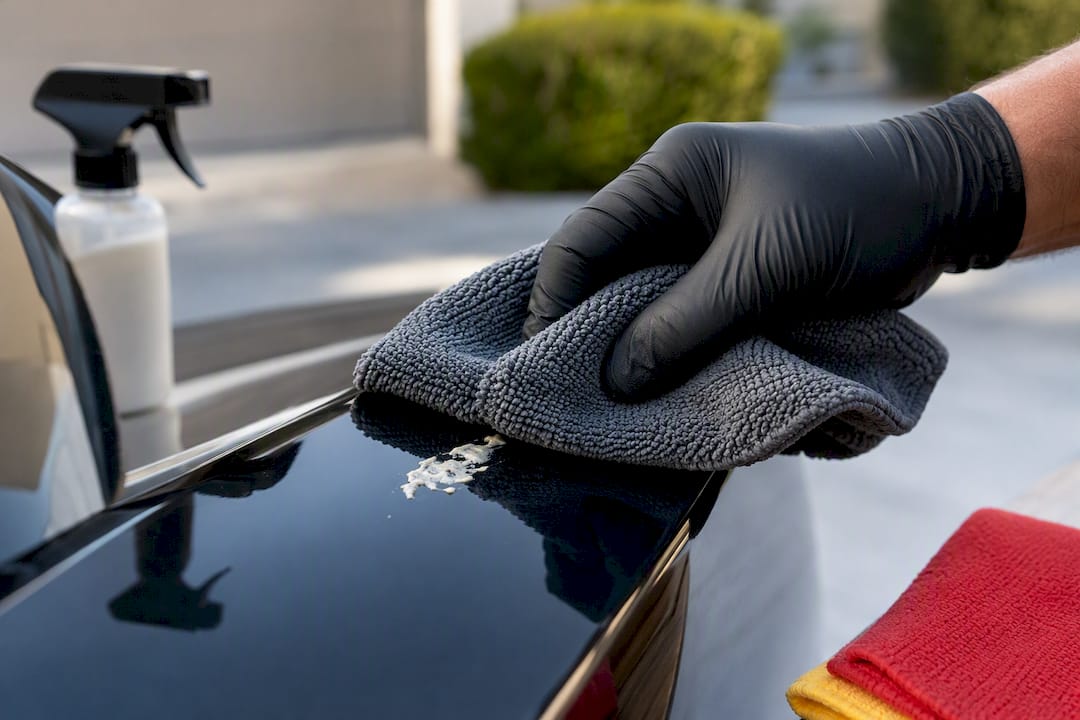
Pro Tip: Keep a small kit of pH-neutral spray detailer and a microfiber towel in your car. Wiping off bird droppings within the day takes two minutes and can be the difference between a valid claim and a denied one.
How to Activate and Maintain Your Warranty
A ceramic coating warranty doesn’t switch on the moment the applicator finishes buffing your hood. It activates through a specific process, and skipping a step can leave you with zero coverage even if you paid full price for a premium product.
Register within the deadline. Most brands require registration within 14 to 30 days of installation, often through an online portal. FEYNLAB’s terms set that window at 30 days and require the vehicle to appear on the warranty portal before coverage begins.
Confirm certified applicator status. The installer needs current certification from the coating manufacturer. This isn’t paperwork theater. It ensures proper paint prep, correct product handling, and surface decontamination before the coating goes on, which is exactly what keeps the chemistry stable long term.
Keep the original invoice. No invoice, no proof of purchase date, no claim.
Schedule the required inspections. Annual inspections at the original applicator are standard across most programs. Some brands, including certain Ceramic Pro dealer tiers, require inspections by an Elite Dealer specifically to keep the warranty active.
Budget for maintenance visits. Three-month maintenance programs show up often in nano-ceramic warranty terms, and these are typically paid services, not free check-ins.
Skip any one of these and you’re not voiding the coating’s performance. You’re voiding your legal claim to a free fix if something goes wrong.
Warranty Numbers vs. What Actually Happens on Your Car
A warranty term is a ceiling set under controlled conditions. It’s not a forecast of what will happen to your specific vehicle parked in your specific driveway.
Professional installations from reputable coating brands typically hold up for 2 to 7 years in real-world conditions, while DIY consumer kits usually last 1 to 2 years before performance drops off noticeably. That gap exists because professional prep (paint correction, decontamination, controlled application) creates a stronger bond than most driveway applications can match.
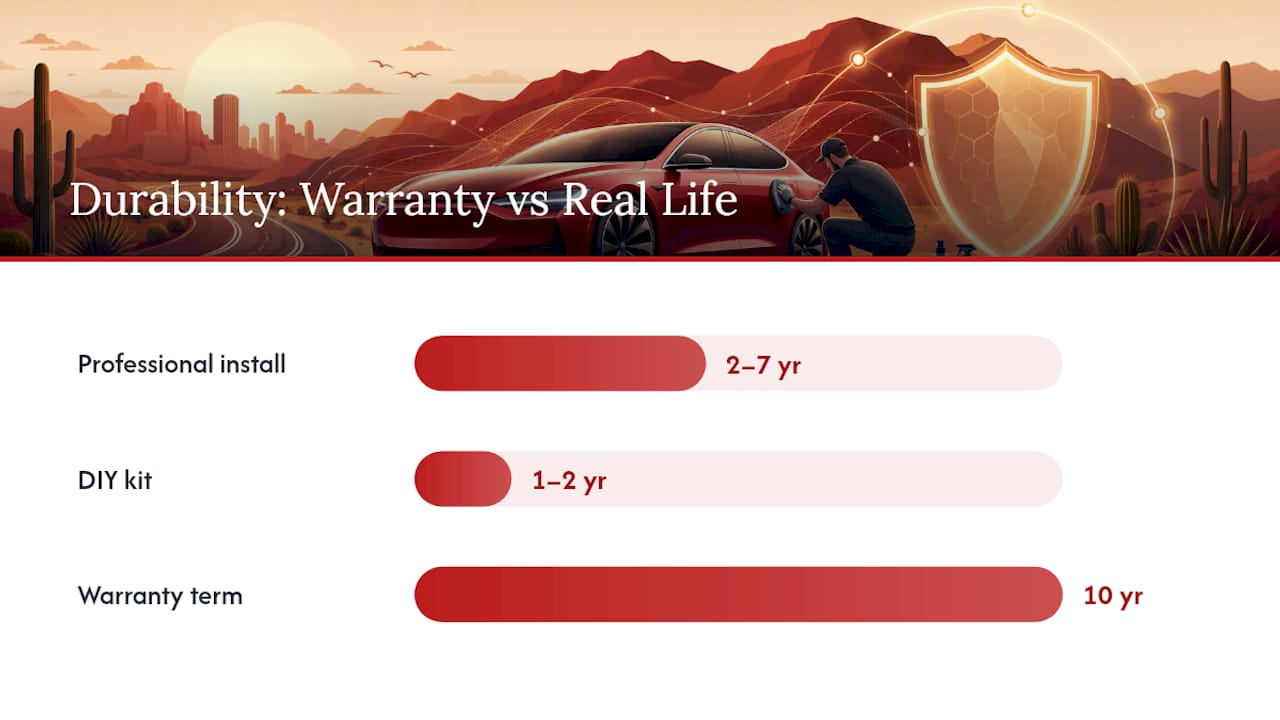
A 10-year warranty and a 2-year real-world lifespan aren’t contradictory. The warranty describes what happens if the coating chemistry fails outright. Your daily driving, parking habits, and wash routine determine everything else.
What actually extends real-world performance:
Hand washing every 1 to 2 weeks with pH-neutral shampoo instead of automatic brush washes, as recommended in The Complete Car Cleaning Checklist for a Pro-Level Detail
Parking in shade or a garage rather than full sun exposure
Using a coating booster or top-up spray every few months
Avoiding dish soap, which strips the hydrophobic layer almost immediately
Watch for three signs your coating is wearing down: water stops beading and starts sheeting flat across the hood, gloss looks duller under direct light, and road grime or bug residue sticks instead of rinsing off easily. Those are your early warnings, well before the warranty term runs out.
Filing a Warranty Claim: What to Do First
The moment you suspect the coating is failing, your first move determines whether the claim goes anywhere.
Photograph the affected area immediately, in good lighting, before doing anything else to the surface.
Don’t attempt a DIY fix. Polishing, re-applying a topper, or trying to buff out the issue yourself can destroy the evidence an installer needs to confirm it’s a genuine coating failure.
Contact your original installer within the notice window stated in your warranty, often 30 days from when you noticed the problem.
Gather your documentation: original invoice, the applicator’s certification proof, your registration confirmation, and receipts from any required maintenance or inspection visits.
Outcomes vary. Some claims result in a full reapplication at no cost. Others get a paid partial remedy, especially if the installer determines the issue stems partly from neglect. The most common denial reason isn’t a manufacturing defect dispute. It’s a missing inspection record or a lapsed registration window.
What to Ask Before You Pay for Coating and Warranty Enrollment
Get the warranty terms in writing before any product touches your paint. A verbal promise of “lifetime coverage” means nothing if it’s not on the invoice.
Ask for the exact registration timeline and whether the installer handles registration for you or if that’s your responsibility
Request proof of the applicator’s current certification with the specific coating brand
Clarify what maintenance is required annually or quarterly, and get a real dollar figure for those costs
Ask whether the warranty transfers if you sell the vehicle, since many do not
Paint condition matters here too. Applying a coating over swirl marks or oxidized clear coat sets it up to fail early, and proper paint correction beforehand is often a prerequisite the warranty assumes even when it isn’t stated outright.
Pro Tip: Ask specifically what “loss of gloss” means numerically, if the installer can tell you. Vague standards like “noticeable dulling” give the warranty issuer room to deny a claim that a clearer standard wouldn’t.
Our Approach: Documentation That Actually Protects You
We treat the paperwork side of ceramic coating as seriously as the application itself. Every installation gets documented with dated photos, a certificate confirming certified application, and help getting your registration submitted correctly and on time. That’s not extra service. It’s what keeps a warranty claim from getting denied over a missing form.
Our maintenance recommendations line up with what most warranty programs expect: periodic inspections and booster treatments that keep the coating performing the way it’s supposed to. This approach aligns with high customer satisfaction and community recognition reflecting consistent, careful work. That reputation comes from treating every car, and every warranty document, the same way: with precision, not shortcuts.
— Phenomenal
Book Ceramic Coating With Warranty Support Built In
You’ve seen how much a warranty depends on proper prep, certified application, and documentation that actually holds up if something goes wrong. Phenomenal Auto Care handles all three as part of the job, not as an upsell. Our ceramic coating service includes the paint correction most warranties assume happened, certified application, and direct help getting your coating registered within the deadline that keeps your coverage valid.
We serve Arizona drivers directly at their home or office, and we back every installation with the kind of documentation this article just walked you through: dated photos, certification proof, and a clear maintenance schedule. If you’re in the Phoenix area, our ceramic coating Phoenix page has current availability and pricing. Ready to protect your paint the right way? Request a quote and get your installation scheduled with warranty registration handled from day one.
Sources
FAQ
What Is the Warranty for Ceramic Coating?
Most ceramic coating warranties cover manufacturing defects, excessive gloss loss, and delamination, but only after you register the vehicle within a set window and use a certified applicator. Coverage typically excludes chips, scratches, and damage from improper washing.
How Long Should a Ceramic Coating Last?
Professionally installed coatings generally last 2 to 7 years with proper maintenance, while DIY consumer kits typically hold up for 1 to 2 years. Wash frequency, parking conditions, and chemical exposure all affect where you land in that range.
What Destroys Ceramic Coating?
Dish soap and harsh degreasers strip the protective layer fastest, followed by automatic car washes with spinning brushes and leaving acidic contaminants like bird droppings or tree sap on the paint for too long. Abrasive polishing or aggressive clay bar use can also remove the coating entirely.
What Is the Warranty on Ceramic Pro Coating?
Ceramic Pro’s dealer program ties warranty length to the specific package purchased, and coverage requires annual inspections by an Elite Dealer to stay valid. Missing that inspection schedule is one of the most common reasons dealer-based warranties get voided.
Recommended
Comments