
Full Front PPF: What It Covers and What It Costs in 2026
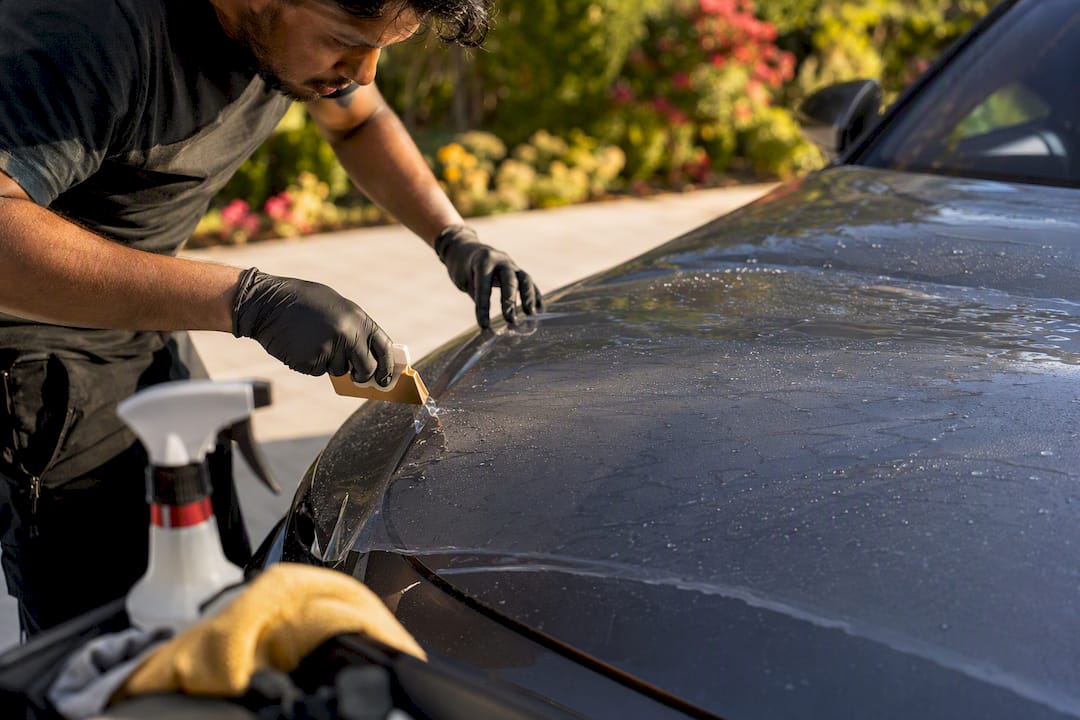
For most highway commuters and owners of premium or dark paint, full front paint protection film is the better investment over partial coverage. Budget within a range depending on vehicle size and film choice, typically starting from the lower thousands. Partial front still makes sense for leased vehicles, low-mileage drivers, or tight budgets, but it leaves a visible seam and less protection where rocks actually hit.
TL;DR:
Full front paint protection film covers the entire hood, fenders, bumper, mirror caps, headlights, and often A-pillars, providing comprehensive debris defense.
Proper installation involves wrapping edges seamlessly and tucking around body lines to avoid visible seams and lifting issues, which can affect durability and appearance.
Costs range from $1,600 to $3,500 or more, depending on film quality, coverage specifics, and vehicle complexity, with premium options offering longer warranties.
Highway drivers, off-road users, and dark or luxury vehicle owners benefit most from full front coverage due to higher exposure and visibility of seams and swirl marks.
Quality films last 5 to 10 years with proper care, which includes avoiding automatic washes, using pH-neutral soap, and pairing with ceramic coatings for easier maintenance.
Table of Contents
What Does Full Front PPF Actually Cover?
Full front paint protection film means edge-to-edge coverage on every panel that takes the brunt of road debris. We’re talking the entire hood surface, not just the leading third, plus full fenders, the complete front bumper, mirror caps, and headlights. Many installers also include A-pillars and the leading edge of the roof, since those areas catch just as much highway grit as the hood on a long drive.
The film itself is a thermoplastic polyurethane material engineered to absorb rock chips and bug splatter before they reach the clear coat. Modern versions carry a self-healing top coat that shrugs off light swirl marks with a little heat, which matters more on a full front install simply because there’s more surface area doing the work.
Here’s what a proper full front package should include:
Full hood, wrapped edge to edge with no gaps
Complete front and rear fenders, not just the front third
Full front bumper, including lower valance sections
Mirror caps on both sides
Headlight and fog light covers
A-pillars and roof leading edge (common add-ons, not always standard)
The seams matter as much as the panel list. A skilled installer wraps and tucks edges around body lines so the film disappears into a crease instead of ending mid-panel where light catches it. Cut-edge seams, where the film simply stops flat on an open surface, are more visible and more prone to lifting over time. This is where installer skill separates a $1,800 job from a $3,000 job that looks factory-fresh five years later.
Vehicle shape changes the math, too. A sedan hood is relatively flat and forgiving. An SUV with a raised hood scoop or a truck with a complex grille surround takes longer to pattern and install correctly, which is part of why full front PPF typically covers more ground than partial front but also costs more labor to execute well on certain body styles.
Partial Front vs. Full Front: What You’re Really Trading Off
The decision boils down to four trade-offs: protection, appearance, cost, and how the car ages. None of them favor one option in every case, which is exactly why this isn’t a simple upgrade-always answer.
Protection at speed. Partial front covers the leading edge of the hood and fenders, the zone that takes direct hits from gravel kicked up by the car ahead. Full front extends that shield across the entire hood and fender, catching chips from side spray and glancing debris that partial coverage simply misses at 65 miles per hour and above.
Appearance and paint sensitivity. Partial installs leave a seam line partway up the hood, visible in direct sunlight on nearly any color. On light or matte finishes, that line often draws the eye far more than on a busy dark metallic, and full front coverage is frequently recommended specifically to eliminate that seam on those paints.
Cost, time, and resale. Partial jobs run faster and cheaper. Full front adds labor hours and material but tends to hold resale value better on vehicles owners plan to keep past five years, since consistent protection means less discoloration mismatch across panels.
Pro Tip: If your budget only stretches to partial front now, ask the installer to at least include full fender wraps. Fenders take more rock-chip damage than most drivers expect, and a mismatched hood seam bothers most owners far less than a chipped fender edge.
A hybrid approach, partial hood with full fender and full bumper coverage, works well for drivers who want budget protection but drive mostly city streets with occasional highway stretches. It’s not the cleanest answer on a spec sheet, but it matches spending to actual risk exposure.
What Does Full Front PPF Cost, and What Drives the Price?
Expect partial front packages to run roughly $800 to $2,000, while full front packages typically land between $1,600 and $3,500 or more. Where you fall in that range depends on a handful of concrete variables, not just vehicle size.
Film brand and thickness matter first. Premium films from manufacturers like 3M or XPEL come in multiple mil thicknesses, and thicker film with a hydrophobic, self-healing top coat costs more per square foot but tends to hold up better against long-term yellowing and edge lifting.
Other line items that swing your quote:
Headlight and mirror inclusion (sometimes bundled, sometimes billed separately)
Paint correction before install, since film applied over swirl marks locks those imperfections in permanently
A-pillar and rocker panel add-ons
Vehicle complexity: curved bumpers and sculpted hoods take longer to pattern than flat panels
Whether the shop uses a plotter-cut pattern or hand-trims on-site, which affects both fit and labor time
On average, 3M’s Scotchgard Pro Series film carries a 10-year limited warranty covering material defects like yellowing or cracking, but that warranty covers the film itself, not the installer’s workmanship.
That distinction is worth repeating to any shop you call for a quote. A material warranty and an installer warranty are two separate documents, and a shop with no workmanship guarantee on peeling or lifted edges is a shop you should keep shopping past. DIY full-front kits exist for specific models like the Tesla Model 3 at a fraction of professional pricing, but they trade cost savings for installation risk and typically void any workmanship claim entirely.
Who Actually Needs Full Front Coverage?
Run through these questions before you call an installer, because your answers point almost directly to the right coverage level:
Do you drive more than 12,000 highway miles a year?
Do your regular routes cross gravel shoulders, construction zones, or chip-seal roads?
Is your paint black, dark gray, or a light monochrome finish where seams and swirl marks show easily?
Do you plan to keep this vehicle more than three years, or is it leased?
Would a single bumper repaint cost more than the price gap between partial and full front?
Highway commuters almost always come out ahead with full front. The payback shows up over ownership in avoided touch-up paint and bumper repaints rather than in any single repair bill.
Leased vehicle owners with modest annual mileage often do fine with partial front, since the lease term rarely gives chips enough time to become a resale issue. Luxury and dark-paint owners lean full front almost every time, purely because seam visibility and swirl-mark risk are higher on those finishes. Track day and off-road drivers need full front at minimum, and some add rocker panels and rear quarters given how much debris comes off unpaved surfaces.
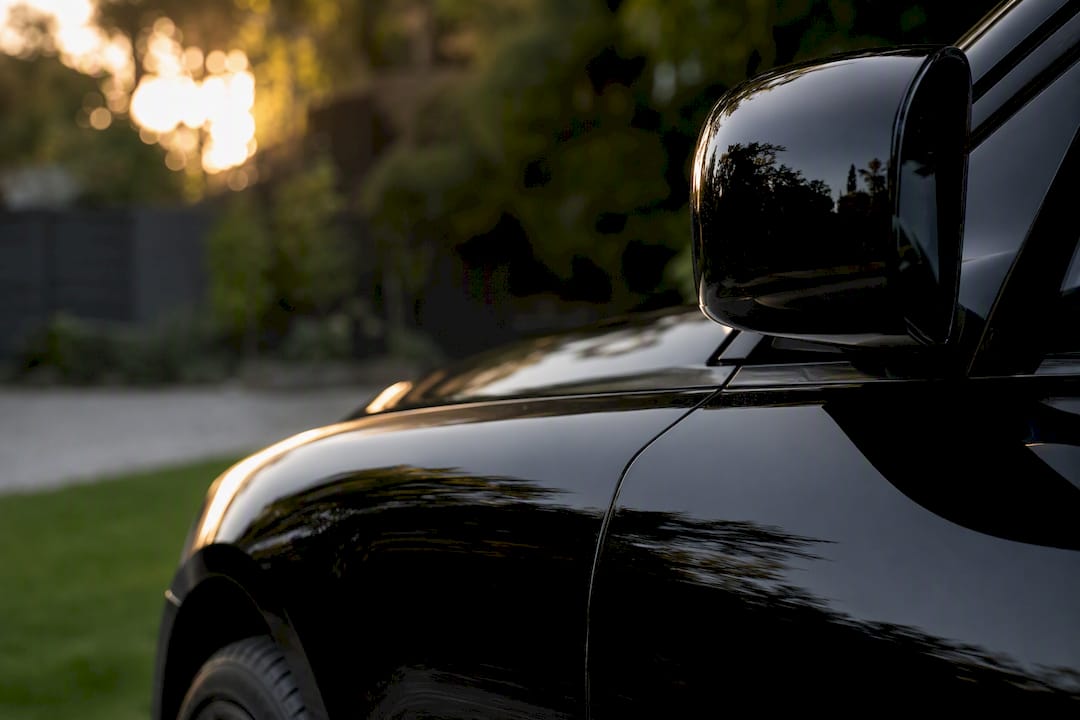
One-line rule: if the incremental cost between partial and full front is less than the price of one bumper repaint, get full front.
How Long Does PPF Actually Last, and What Does Upkeep Involve?
Quality film lasts 5 to 10 years or more with reasonable care, though UV exposure, harsh chemicals, and a thin or outdated top coat can shorten that window considerably. Arizona sun is genuinely tougher on film than a milder climate, which is part of why top coat quality matters more here than in a lot of other markets.
Care for it simply:
Skip automatic car washes with spinning brushes; they lift edges and introduce fine scratches
Use pH-neutral soap and a soft wash mitt for hand washing
Avoid harsh degreasers directly on film seams
Pair film with a ceramic coating if you want easier maintenance and extra gloss, since the coating sits on top of the film without interfering with its self-healing properties
Self-healing top coats handle light swirl marks and fine scratches on their own, usually with warm water or direct sunlight reactivating the polymer. What it won’t fix is a deep gouge, a torn edge, or a rock strike that’s punched through to the paint. Those need panel-specific repair or replacement, and this is exactly where verifying your installer’s repair policy at booking, not after damage happens, saves you a headache later.
Pro Tip: Take dated photos of your film right after install. If you ever need a warranty claim, having a clear “before” reference makes the process faster and removes any argument about pre-existing damage.
How Do You Choose the Right PPF Installer?
Ask these questions before you book, and treat vague answers as a warning sign:
Is the installer certified through a recognized film brand’s training program?
Can they show a portfolio of full front installs, not just partial jobs?
Do they use a plotter-cut pattern matched to your exact vehicle, or hand-template on-site?
What does the workmanship warranty cover, and for how long?
Is paint correction included or offered before install?
How are edges sealed, and what’s their policy if an edge lifts within the first year?
A pattern cut for your exact make and model model-year fits panel contours precisely, while hand-trimmed film run around curved bumpers and mirror housings more often shows minor gaps or overlap at edges. Ask specifically which method your quote assumes.
A thorough shop should also walk you through prep steps: paint decontamination, correction if swirl marks exist, and a clean surface before film ever touches the car. Ask what their post-install inspection looks like and whether they check for trapped debris or lifted corners before you drive off. Mobile PPF installs done right require the same prep discipline as an in-shop job, just executed at your driveway or office instead.
Phenomenal Auto Care has built a 5-star rating from over 250 customers across Arizona and holds several community awards for service quality, proof points worth weighing against any installer’s marketing claims when you’re comparing quotes.
The Bottom Line on Full Front PPF
Highway commuters, leased-vehicle owners with high mileage, luxury and dark-paint owners, and off-road or track drivers should lean toward full front coverage. Low-mileage city drivers on tight budgets can reasonably start with partial front, provided they understand the seam and coverage trade-offs.
Before booking anything, get at least two quotes and run each installer through the certification and warranty checklist above. If your paint shows swirl marks or oxidation, schedule paint correction before film goes on, since PPF locks in whatever condition the paint is in underneath it. Wash your car and clear the interior of loose items the day before your appointment so the installer can work efficiently from the moment they arrive.
Why Full Front Coverage Beats the Conventional Wisdom Most of the Time
Most PPF guides treat partial front as the sensible default and full front as the upgrade for people with money to burn. We think that framing has it backward for a lot of drivers. The real cost comparison isn’t full front versus partial front, it’s full front versus the bumper repaint or fender touch-up you’ll eventually pay for anyway once a rock finds the unprotected two-thirds of your hood.
What gets underestimated is how much the seam itself becomes a maintenance liability, not just a cosmetic one. A cut edge on an unprotected zone catches wax buildup, road grime, and eventually starts lifting at exactly the spot where two different aging paint conditions meet. That’s not a minor aesthetic quibble years down the line.
What we’d prioritize first isn’t brand loyalty to a specific film. It’s verifying installer workmanship warranty and asking to see actual full front work, not just partial jobs dressed up in a portfolio.
— Phenomenal
Get Full Front PPF Installed at Your Location in Arizona
Phenomenal Auto Care brings certified paint protection film installation to your driveway or office across Arizona, or handles complex full front jobs in-shop when the work calls for it. That means no dropping your car off for days at a shop across town and no juggling a rental while your hood sits on a lift.
Every install pairs with our paint correction service when your paint needs it first, and many customers combine PPF with ceramic coating for easier long-term upkeep. Our 5-star rating from over 250 Arizona customers and multiple community awards reflect the same precision we bring to every hood, fender, and bumper we wrap. If you’re in Phoenix, Chandler, Mesa, Scottsdale, or Gilbert and ready to stop guessing what your quote should include, book your full front PPF consultation and get a real price built around your vehicle, not a generic estimate.
Sources
Recommended
Comments